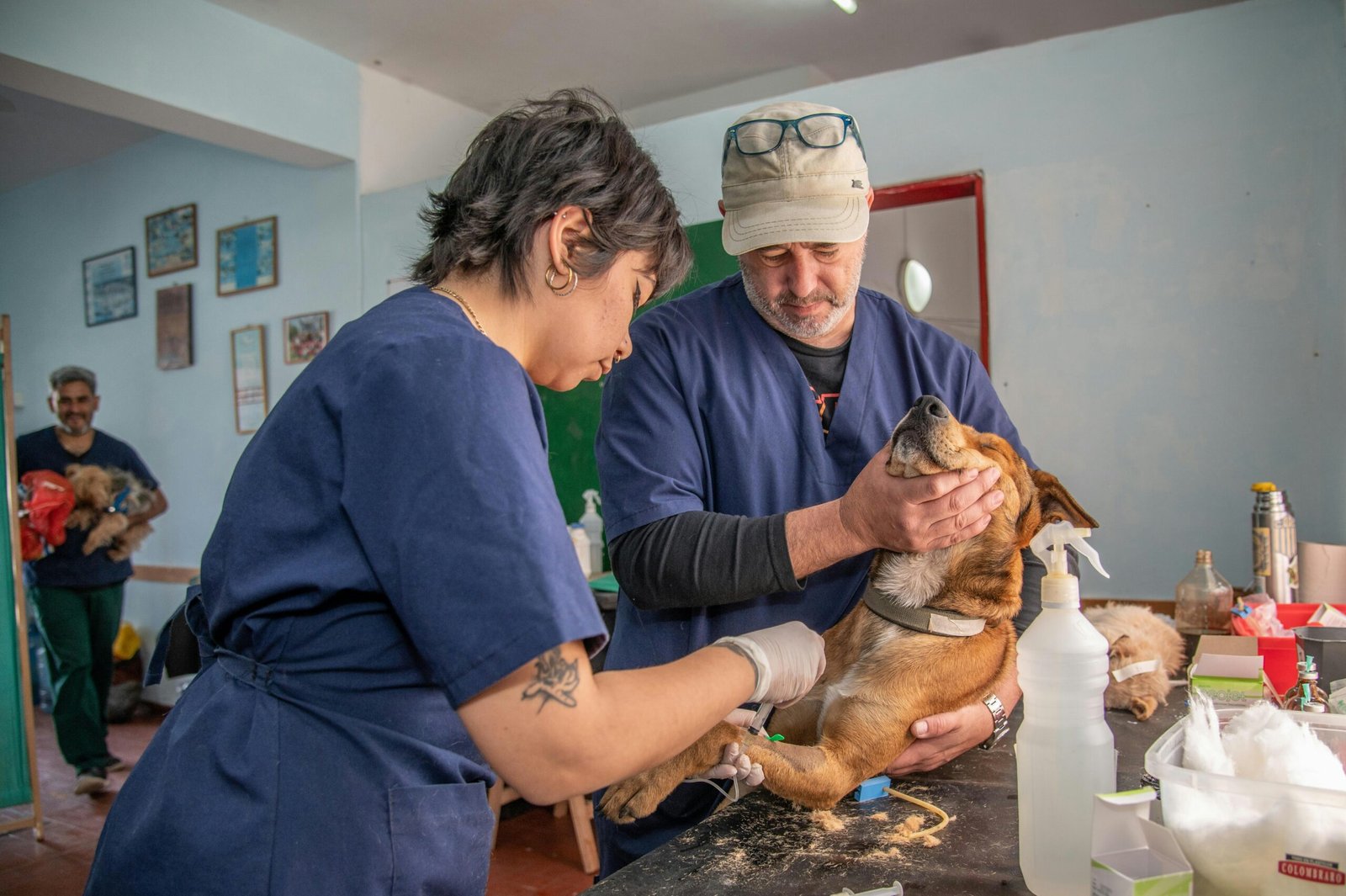
Pet Emergencies Guide (2026): What Every Pet Owner Should Do Before Reaching the Vet
There’s a particular kind of panic that sets in when something goes seriously wrong with a pet. One minute everything’s normal, and the next you’re staring at your dog collapsed on the kitchen floor, or your cat straining in the litter tray, and your mind goes blank exactly when you need it most.
This guide exists for that moment. Not to replace veterinary care — nothing should — but to help you recognise a genuine emergency quickly, respond calmly, and get your pet the professional help they need as fast as possible.
We’ll cover how to spot the warning signs that mean “call the vet now,” what’s actually happening during common emergencies like heatstroke or poisoning, the basics of safe first aid, and how to prepare in advance so a crisis doesn’t catch you completely unprepared. Throughout, the message is consistent: this article helps you act sensibly in those first critical minutes, but a vet’s hands-on assessment is what actually saves lives.
Quick Answer
A genuine pet emergency includes difficulty breathing, collapse, seizures, suspected poisoning, uncontrolled bleeding, a bloated or hard abdomen, inability to urinate, repeated vomiting, severe injuries, or loss of consciousness. If your pet shows any of these signs, contact an emergency vet immediately rather than waiting to see if things improve. While you arrange transport, keep your pet calm, warm, and as still as possible, avoid giving food, water, or any medication unless a vet specifically advises it, and have your pet’s details and your vet’s emergency number ready before you leave the house.
🚨 Emergency Action Checklist
If you’re facing a possible emergency right now, follow these steps:
- Stay calm — a steady voice and calm movements help keep your pet calmer too.
- Check for immediate danger — to both you and your pet — before approaching.
- Call your emergency vet immediately and describe the symptoms clearly.
- Follow their instructions — they may talk you through safe next steps for your specific situation.
- Prepare for transport — a secure carrier, towel, or blanket, and someone to drive if possible so you can focus on your pet.
- Don’t give food, water, or medication unless specifically told to by a vet.
- Go straight to the practice — don’t wait to see if symptoms improve.
Key Takeaways
- Recognising the early warning signs of a genuine emergency can make a real difference to outcomes.
- Staying calm helps you think clearly and helps your pet stay calmer too.
- Basic first aid knowledge can support your pet in the minutes before you reach a vet, but it never replaces professional care.
- Many common household items — chocolate, certain plants, cleaning products — are more dangerous to pets than most owners realise.
- Preparation, including a first aid kit, saved emergency contacts, and up-to-date pet insurance, makes a genuine difference when every minute counts.
- What Counts as a Pet Emergency?
- How to Stay Calm During an Emergency
- Emergency Signs Every Pet Owner Must Know
- Most Common Pet Emergencies
- Emergency First Aid Basics
- Pet Poisoning Guide
- Dog Emergencies
- Cat Emergencies
- Emergency Travel Checklist
- Pet First Aid Kit Checklist
- Common Mistakes Owners Make During Emergencies
- How to Prepare Before an Emergency Happens
- Frequently Asked Questions
- Conclusion
What Counts as a Pet Emergency?
Not every worrying moment is a genuine emergency, but it can be hard to tell the difference in the moment, especially with a pet you’re still getting to know. As a general rule, a true emergency involves symptoms that are sudden, severe, rapidly worsening, or affecting your pet’s ability to breathe, circulate blood, or stay conscious.
Some situations are unmistakably urgent — collapse, seizures, visible severe bleeding. Others are less obvious but just as serious, like a dog who’s simply restless and trying to vomit without success, which can be an early sign of a life-threatening condition called bloat. This is exactly why “when in doubt, call” is such a reliable rule in emergency pet care. Vets and vet nurses answering emergency lines would always rather reassure a worried owner than have someone wait too long on something serious.
A helpful way to think about it: if you’d take a family member to A&E for a symptom, your pet likely needs equivalent urgency. Difficulty breathing, unresponsiveness, uncontrolled bleeding, and suspected poisoning all fall firmly into this category, regardless of species.
Internal link suggestion: link to a future PetStoryDaily article “Is It an Emergency? A Decision Guide for Worried Pet Owners.”
How to Stay Calm During an Emergency
Staying calm isn’t just about your own wellbeing — it genuinely affects how your pet responds, and how effectively you’re able to help them.
Protect Yourself
An injured or frightened animal, even a normally gentle one, may bite or scratch out of pain or fear. Approach calmly, avoid sudden movements, and be prepared to use a makeshift muzzle on a dog if needed and safe to do so — but never muzzle a pet who’s vomiting, struggling to breathe, or unconscious.
Protect Your Pet
Move your pet away from further danger if it’s safe to do so — off a road, away from a hazard — but avoid unnecessary handling if you suspect a spinal or serious injury, since movement can sometimes worsen certain injuries.
Call the Vet First
Before rushing out of the door, call your vet or emergency practice. They can advise you on immediate next steps specific to your situation and let the team prepare for your arrival, which can save valuable time once you get there.
Prepare for Transport
Use a secure carrier for smaller pets, and a firm, flat surface like a board or sturdy blanket to move a larger dog if a spinal injury is suspected. Have someone else drive if possible, so you can focus entirely on your pet during the journey.
Internal link suggestion: link to a future article “How to Safely Transport an Injured Pet to the Vet.”
Emergency Signs Every Pet Owner Must Know
If your pet shows any of the following signs, treat it as an emergency and contact a vet immediately.
| 🚨 Warning Sign | What It Can Indicate |
|---|---|
| Difficulty breathing | Airway obstruction, heart or lung disease, severe allergic reaction |
| Collapse | Internal bleeding, heart problems, severe pain, or shock |
| Seizures | Neurological issues, toxin exposure, or metabolic imbalance |
| Suspected poisoning | Many toxins act quickly and require urgent intervention |
| Uncontrolled bleeding | Risk of significant blood loss and shock |
| Severe burns | Risk of infection, shock, and fluid loss |
| Heatstroke | Can rapidly become life-threatening, especially in hot weather |
| Unable to urinate | Possible urinary blockage, particularly serious in male cats |
| Bloated, hard abdomen | Possible bloat/GDV, a life-threatening emergency in dogs |
| Repeated vomiting | Risk of dehydration; may indicate obstruction or poisoning |
| Severe diarrhoea | Risk of dehydration, especially in young or small animals |
| Loss of consciousness | Always requires immediate emergency assessment |
| Eye injuries | Risk of permanent damage without prompt treatment |
| Broken bones | Risk of further injury, pain, and complications if not stabilised |
| Animal attacks | Wounds can be deeper than they appear, with infection risk |
<!– /wp:table –>
Save this list somewhere accessible — printed on your fridge, or as a note on your phone — so you can check it quickly in a stressful moment.
External reference suggestion: link to AVMA’s guidance on recognising a pet emergency.
Most Common Pet Emergencies
Heatstroke
Heatstroke occurs when a pet’s body temperature rises to a dangerous level, often in hot weather, a warm car, or after intense exercise. Flat-faced breeds, elderly pets, and those with thick coats are at particular risk. Signs include heavy panting, drooling, weakness, bright red gums, and collapse. Move your pet to a cool, shaded area, offer water if they’re conscious and able to drink, and begin gradual cooling with room-temperature — not ice-cold — water while you arrange immediate veterinary care.
Poisoning
Poisoning can result from household chemicals, certain foods, medications, or plants. Symptoms vary enormously depending on the substance but can include vomiting, drooling, tremors, seizures, or collapse. Contact your vet or an animal poison helpline immediately, and try to identify what and how much was consumed if you can do so safely.
Choking
Choking typically involves a pet pawing at their mouth, retching, or struggling to breathe after something becomes lodged in the throat. If you can see the object and it’s safe to do so, you may be able to remove it carefully, but avoid pushing it further in. Get to a vet immediately regardless of whether the object is removed, to check for any internal damage.
Road Traffic Accidents
Even when a pet seems to walk away from a road traffic accident, internal injuries aren’t always immediately visible. Keep your pet as still as possible, avoid unnecessary handling, and get to a vet promptly for a full assessment, even if they appear largely uninjured.
Falls
Falls from height, particularly common in cats (sometimes referred to as “high-rise syndrome”), can cause internal injuries that aren’t obvious at first glance. Keep your pet calm and still, and seek veterinary assessment even if they seem to be walking normally afterwards.
Snake Bites
Snake bite risk varies enormously by region — some countries have venomous species that pose a serious threat, while others, like the UK, have far more limited risk, generally from the adder. Signs can include sudden swelling, pain, lethargy, or collapse. If you suspect a snake bite, keep your pet as calm and still as possible and seek immediate veterinary care, since appropriate treatment depends heavily on the specific species involved in your region.
Bee and Wasp Stings
Most stings cause localised swelling and discomfort, but some pets experience a more serious allergic reaction, including facial swelling, difficulty breathing, or collapse. A single sting with mild, localised swelling can often be monitored, but any sign of a more significant reaction needs immediate veterinary attention.
Electric Shock
Chewing through electrical cords can cause burns inside the mouth, breathing difficulties, or collapse. If you suspect electric shock, switch off the power source before touching your pet, and seek emergency veterinary care immediately, even if they seem alright afterwards, as some effects can develop later.
Burns
Burns can result from hot surfaces, chemicals, or scalds. Signs include visible redness, blistering, or pain in the affected area. Cool the area with cool (not ice-cold) running water if it’s safe and immediately accessible, and seek veterinary care promptly, since burns can be more serious than they initially appear.
Drowning
Even strong swimmers can get into difficulty, particularly in cold water, strong currents, or pools without easy exit points. If your pet has been submerged or struggled in water, seek veterinary assessment even if they seem to recover quickly, as complications can develop over the following hours.
Broken Bones
Signs of a possible fracture include visible deformity, severe limping, swelling, or reluctance to bear weight on a limb. Keep your pet as still as possible, avoid attempting to straighten or splint the area yourself, and get to a vet for proper assessment and imaging.
Cuts and Wounds
Minor cuts may only need basic cleaning, but deep wounds, heavy bleeding, or wounds near the eyes, chest, or abdomen need prompt veterinary attention. Applying gentle, direct pressure with a clean cloth can help manage bleeding on the way to the vet.
Foreign Object Swallowing
Pets, especially curious puppies and kittens, sometimes swallow objects that can cause an obstruction. Signs include vomiting, reduced appetite, lethargy, or visible discomfort. Don’t attempt to induce vomiting without veterinary guidance, since some objects can cause more damage coming back up, and seek prompt assessment.
External reference suggestion: link to Cornell University College of Veterinary Medicine’s emergency and critical care resources.
Internal link suggestion: link to a future article “Heatstroke in Pets: Recognising the Early Warning Signs.”
Emergency First Aid Basics
These basics are designed to help you support your pet safely in the minutes before you reach a vet — they’re not a substitute for professional treatment.
Checking Breathing
Watch the chest for rise and fall, and feel for breath near the nose or mouth. Rapid, laboured, or absent breathing is always a reason to seek emergency care immediately.
Checking Pulse
A pulse can sometimes be felt on the inside of the back leg, near the groin area, though this can be difficult even for experienced owners under stress. If you’re unable to detect a pulse or breathing, treat this as an extreme emergency and get to a vet immediately, calling ahead so the team is ready.
Keeping Pets Warm
Shock and blood loss can cause a pet’s body temperature to drop. A blanket or towel can help maintain warmth during transport, without restricting breathing or movement unnecessarily.
Safe Transportation
Use a secure carrier for cats and small pets. For larger dogs, particularly if a spinal injury is suspected, a firm flat surface can help keep them stable during the journey. Move steadily and avoid sudden stops or sharp turns where possible.
Using a Pet First Aid Kit
A well-stocked first aid kit (detailed later in this guide) can help you manage minor wounds or support your pet before reaching the vet, but it’s there to stabilise, not treat — always follow up with professional care.
When Not to Move an Injured Pet
If you suspect a spinal injury, avoid unnecessary movement and, where possible, get help sliding your pet onto a firm, flat surface rather than lifting them directly. Call your vet immediately for guidance specific to the situation, since incorrect handling can sometimes worsen certain injuries.
Internal link suggestion: link to a future article “A Beginner’s Guide to Pet First Aid Courses: Are They Worth It?”
Pet Poisoning Guide
Poisoning is one of the more common pet emergencies, and many everyday household items pose a genuine risk that owners aren’t always aware of.
Chocolate
Chocolate contains theobromine, which pets — particularly dogs — can’t metabolise as efficiently as humans. Darker chocolate carries a higher risk. Symptoms can include vomiting, restlessness, an increased heart rate, or tremors.
Grapes and Raisins
Grapes, raisins, and currants can cause kidney damage in dogs, even in relatively small amounts, and the exact mechanism isn’t fully understood, which makes any amount worth treating seriously.
Xylitol
This sugar substitute, found in some sugar-free gum, peanut butter, and baked goods, can cause a rapid, dangerous drop in blood sugar in dogs, along with potential liver damage.
Human Medicines
Many common human medications, including over-the-counter pain relief, are toxic to pets even in small doses. Always store medication securely and out of reach.
Cleaning Chemicals
Household cleaning products can cause irritation, burns, or more serious internal damage if ingested or if they come into contact with skin or eyes. Store these well away from curious pets.
Toxic Plants
Certain plants pose a serious risk — lilies are particularly dangerous to cats, causing kidney failure even from minimal exposure such as pollen contact. Other risks include sago palm, azaleas, and certain bulbs. Research any plants in your home and garden if you share your space with pets.
Rodenticides
Rat and mouse poisons are designed to be appealing to rodents, which unfortunately can also attract cats and dogs. These products can cause serious internal effects, and exposure should always be treated as an emergency.
Warning Signs of Poisoning
Watch for vomiting, drooling, tremors, seizures, lethargy, difficulty breathing, or sudden collapse. Symptoms can appear quickly or, in some cases, be delayed by hours.
What to Do
If you suspect your pet has been exposed to something toxic, contact your vet or an animal poison helpline immediately. Try to identify the substance and approximate amount involved, and keep any packaging to hand if you’re able to, as this can help guide the vet’s assessment. Don’t attempt to treat the situation yourself or induce vomiting unless specifically instructed by a professional.
External reference suggestion: link to RSPCA’s guidance on common household poisons for pets.
Internal link suggestion: link to a future article “Toxic Plants and Foods: The Complete Pet Owner’s Danger List.”
Dog Emergencies
Bloat (GDV)
Gastric dilatation-volvulus, commonly known as bloat, occurs when a dog’s stomach fills with gas and potentially twists, cutting off blood supply. It’s particularly common in large, deep-chested breeds. Signs include a visibly swollen abdomen, unproductive retching, restlessness, and rapid decline. This is one of the most time-critical emergencies in dogs, and immediate veterinary care is essential.
Heatstroke
As covered earlier, heatstroke poses a particular risk to dogs during exercise in warm weather, in cars, or in breeds with restricted airways. Prompt recognition and immediate veterinary care are essential to a good outcome.
Kennel Injuries
Dogs staying in kennels or boarding facilities can occasionally sustain injuries from enclosures, other dogs, or overexertion. Any injury noticed after a kennel stay, however minor it seems, is worth a vet check, alongside a conversation with the facility about what happened.
Fights
Dog fights can cause puncture wounds that look minor on the surface but carry a real risk of deeper tissue damage and infection. Any wound from a fight should be assessed by a vet, even if your dog seems otherwise fine.
Foreign Objects
Dogs are prone to swallowing objects ranging from toys to socks, which can cause a dangerous obstruction. Watch for vomiting, reduced appetite, or visible discomfort, and seek prompt veterinary assessment if you suspect your dog has swallowed something they shouldn’t have.
External reference suggestion: link to WSAVA’s guidance on canine emergency conditions.
Internal link suggestion: link to a future article “Bloat in Dogs: Why It’s a Race Against Time.”
Cat Emergencies
Urinary Blockage
A cat straining repeatedly in the litter tray with little or no urine produced is a genuine emergency, particularly in male cats, whose narrower urethra makes them more prone to life-threatening blockages. This requires immediate veterinary treatment.
High-Rise Syndrome
Falls from height are common enough in cats to have their own term. Even if a cat appears to land well and walk away, internal injuries aren’t always immediately obvious, so veterinary assessment is important after any significant fall.
Lily Poisoning
Lilies are highly toxic to cats, with even minimal exposure — including pollen on fur that’s later groomed off — potentially causing kidney failure. If you suspect any exposure, contact your vet immediately, even before symptoms appear.
Difficulty Breathing
Cats don’t typically pant the way dogs do, so open-mouth breathing or laboured breathing in a cat is always a significant warning sign that needs urgent attention.
Trauma
Cats can sustain injuries from road traffic accidents, falls, or fights that aren’t always visible externally. Any suspected trauma, even without obvious wounds, warrants a veterinary check, since internal injuries can be present without clear outward signs.
External reference suggestion: link to International Cat Care’s guidance on feline emergency conditions.
Internal link suggestion: link to a future article “Recognising a Urinary Blockage in Cats: A Life-Threatening Emergency.”
Emergency Travel Checklist
Keep this list handy so you can move quickly when every minute matters.
- Secure carrier or restraint for the journey
- Blanket or towel for warmth and comfort
- Your pet’s medical records or vaccination history, if available
- Emergency vet’s address and contact number
- Muzzle, if appropriate and safe to use
- Torch, for visibility in low light
- A driver, if possible, so you can focus on your pet
- Phone, charged, with your vet’s number saved
- Any relevant packaging if poisoning is suspected
Pet First Aid Kit Checklist
Keep a dedicated pet first aid kit somewhere easily accessible, and check it periodically to replace used or expired items.
| Item | Purpose |
|---|---|
| Bandages | Supporting and protecting wounds during transport |
| Sterile gauze | Cleaning wounds and controlling minor bleeding |
| Saline solution | Flushing wounds or eyes safely |
| Digital thermometer | Checking for fever or low body temperature |
| Tweezers | Removing small, visible foreign objects such as splinters |
| Disposable gloves | Maintaining hygiene when handling wounds |
| Emergency contact list | Vet, emergency practice, and poison helpline numbers |
| Torch | Visibility in low light or at night |
| Towel | Warmth, comfort, and safe handling |
| Muzzle (for dogs) | Safety when handling an injured or frightened dog |
| Carrier | Secure, calm transport, especially for cats and small pets |
| Blanket | Warmth and comfort during transport |
Internal link suggestion: link to a future article “How to Build a Pet First Aid Kit on a Budget.”
Common Mistakes Owners Make During Emergencies
| Mistake | Why It’s Dangerous | Correct Response |
|---|---|---|
| Waiting to see if symptoms improve | Delays treatment for conditions that can worsen quickly | Contact a vet immediately for any suspected emergency |
| Inducing vomiting without guidance | Some substances cause more damage coming back up | Only induce vomiting if a vet specifically instructs you to |
| Giving human medication | Many human medicines are toxic to pets, even in small amounts | Never give medication without veterinary guidance |
| Panicking and handling roughly | Can worsen injuries and frighten an already stressed pet | Move calmly, gently, and with clear intention |
| Not calling ahead | The vet team can’t prepare, which may cost valuable time | Always call before you arrive, if possible |
| Moving a pet with a suspected spinal injury incorrectly | Can worsen the injury significantly | Use a firm, flat surface and minimise unnecessary movement |
| Assuming a pet who “seems fine” after trauma is unharmed | Internal injuries aren’t always immediately visible | Always seek assessment after significant trauma, even without obvious injury |
| Forgetting emergency contact details in the moment | Wastes critical time searching under stress | Save numbers in your phone and keep a printed copy at home |
How to Prepare Before an Emergency Happens
Emergency Vet Numbers
Save your regular vet’s number and your nearest emergency or out-of-hours practice’s number in your phone now, along with an animal poison helpline if one’s available in your country.
Microchip
Ensure your pet’s microchip details are current, especially after a house move, since this is one of the most effective ways of reuniting a lost pet with their owner.
Pet Insurance
Given how quickly emergency vet bills can add up, insurance can offer genuine peace of mind. Review your policy regularly to understand what’s covered.
Medical Records
Keep a copy of your pet’s vaccination history and any known health conditions somewhere accessible, since this information can be valuable to an emergency vet team who don’t know your pet.
Emergency Contacts
Beyond your vet, have a backup contact — a neighbour, friend, or family member — who could help with transport or pet care in a crisis if you’re unavailable.
Travel Carrier
Keep a carrier or restraint accessible, not buried in a cupboard, so you’re not searching for it during a genuine emergency.
First Aid Kit
Keep your pet first aid kit stocked, accessible, and checked periodically, so it’s ready when you need it most.
📋 Printable Emergency Contact Sheet
Fill this in and keep it somewhere visible — on the fridge, or saved on your phone.
- My regular vet practice: _______________________
- Regular vet phone number: _______________________
- Nearest emergency/out-of-hours vet: _______________________
- Emergency vet phone number: _______________________
- Animal poison helpline (if available in your country): _______________________
- My pet’s microchip number: _______________________
- Pet insurance provider and policy number: _______________________
- Backup contact (neighbour/friend/family): _______________________
- Backup contact phone number: _______________________
Frequently Asked Questions
1. How do I know if my pet’s situation is a genuine emergency? If you’d consider a symptom serious enough for a person to go to A&E — difficulty breathing, collapse, uncontrolled bleeding — treat it the same way for your pet, and call an emergency vet immediately.
2. What should I do first in a pet emergency? Stay as calm as possible, check for immediate danger, and call your vet or an emergency practice straight away so they can guide your next steps and prepare for your arrival.
3. Should I induce vomiting if my pet has eaten something toxic? Not without professional guidance. Some substances cause more harm coming back up, so always check with a vet or poison helpline first.
4. How can I tell if my dog has bloat? Signs include a visibly swollen or hard abdomen, unproductive retching, restlessness, and rapid decline. This is a genuine emergency requiring immediate veterinary care.
5. Is heatstroke dangerous for cats too? Yes, though it’s less common than in dogs. Flat-faced breeds and cats without access to shade or water are at particular risk, and symptoms should be treated as an emergency.
6. What human foods are most dangerous for pets? Chocolate, grapes and raisins, xylitol, onions, and garlic are among the most commonly encountered dangers, and even small amounts can cause serious harm.
7. Can I give my pet human pain relief in an emergency? No. Many human medications, including common pain relievers, are toxic to pets, sometimes even in small doses. Always consult a vet before giving any medication.
8. What’s the safest way to move an injured pet? Use a secure carrier for cats and small pets, and a firm, flat surface for larger dogs if a spinal injury is suspected, minimising unnecessary handling.
9. How do I check if my pet is breathing? Watch for the rise and fall of the chest, and feel for breath near the nose or mouth. Absent or laboured breathing is always an emergency.
10. What should be in a pet first aid kit? Bandages, sterile gauze, saline solution, a digital thermometer, tweezers, disposable gloves, a torch, a towel, and your emergency contact list are all valuable basics.
11. Are snake bites a risk for pets in the UK? The adder is the main venomous snake native to the UK, and while bites are relatively uncommon, they should always be treated as a veterinary emergency if suspected.
12. How urgent is a suspected urinary blockage in cats? Extremely urgent, particularly in male cats. This condition can become life-threatening within hours, so seek immediate veterinary care if your cat is straining with little or no urine output.
13. What should I do if my pet is stung by a bee or wasp? Monitor for signs of a more serious reaction, such as facial swelling or difficulty breathing, and seek veterinary care immediately if these develop, even from what seemed like a single, minor sting.
14. Can indoor pets still experience emergencies? Yes. Poisoning, foreign object swallowing, electric shock, and falls are all risks that can occur entirely indoors, regardless of whether a pet goes outside.
15. Should I call ahead before going to an emergency vet? Yes, whenever possible. Calling ahead allows the team to prepare for your arrival and can offer guidance for the journey, which may save valuable time.
16. How do I know if a wound needs stitches? Deep wounds, heavy bleeding, or wounds with visible gaping edges typically need veterinary assessment and possible stitching, so it’s best to have any significant wound checked promptly.
17. What’s the risk with lilies and cats specifically? Lilies are highly toxic to cats, and even minimal exposure, such as pollen transferred to fur and later groomed off, can cause kidney failure, making any suspected exposure an emergency.
18. Is pet insurance worth it for emergencies specifically? Given how quickly emergency vet bills can add up, many owners find insurance genuinely valuable for peace of mind, though it’s worth researching policies carefully to understand what’s covered.
19. How can I prepare my household for a pet emergency in advance? Save emergency contact numbers, keep a first aid kit accessible, ensure microchip details are current, and consider a printed emergency contact sheet kept somewhere visible.
20. Can this guide help me treat my pet’s emergency at home? No — this guide is designed to help you recognise emergencies and respond safely while getting to a vet, not to replace professional treatment. Always seek immediate veterinary care for a genuine emergency.
Conclusion
Pet emergencies are frightening precisely because they’re unpredictable, but a calm, prepared response makes a genuine difference to how they unfold. Recognising the warning signs early, knowing the basics of safe first aid, and having your emergency contacts and supplies ready in advance all give your pet the best possible chance in a crisis.
None of this replaces a vet’s hands-on care — if anything, this guide should make you quicker to seek it, not slower. When in doubt, always call. A false alarm costs you a phone call; hesitation in a genuine emergency can cost far more.
Take a few minutes today to fill in the emergency contact sheet in this guide, check your first aid kit, and make sure everyone in your household knows what to do if the worst happens. It’s a small investment that could make all the difference when it matters most.
Editorial Note: This guide draws on widely accepted, evidence-based veterinary information intended for general education and emergency preparedness. It is regularly reviewed for accuracy but is not a substitute for professional veterinary training or hands-on assessment.
Disclaimer: This article is for general educational purposes only and does not constitute professional veterinary advice, diagnosis, or treatment. Always contact a qualified veterinarian immediately in the case of a suspected pet emergency, and follow their specific guidance for your individual situation.
Suggested Outbound References
- RSPCA — pet first aid guidance and common poison information
- PDSA — pet emergency advice and preventative health resources
- WSAVA — global emergency and critical care guidelines
- American Veterinary Medical Association (AVMA) — recognising and responding to pet emergencies
- Cornell University College of Veterinary Medicine — in-depth emergency and critical care resources
Note: Add direct links to the relevant pages on each organisation’s website before publishing.