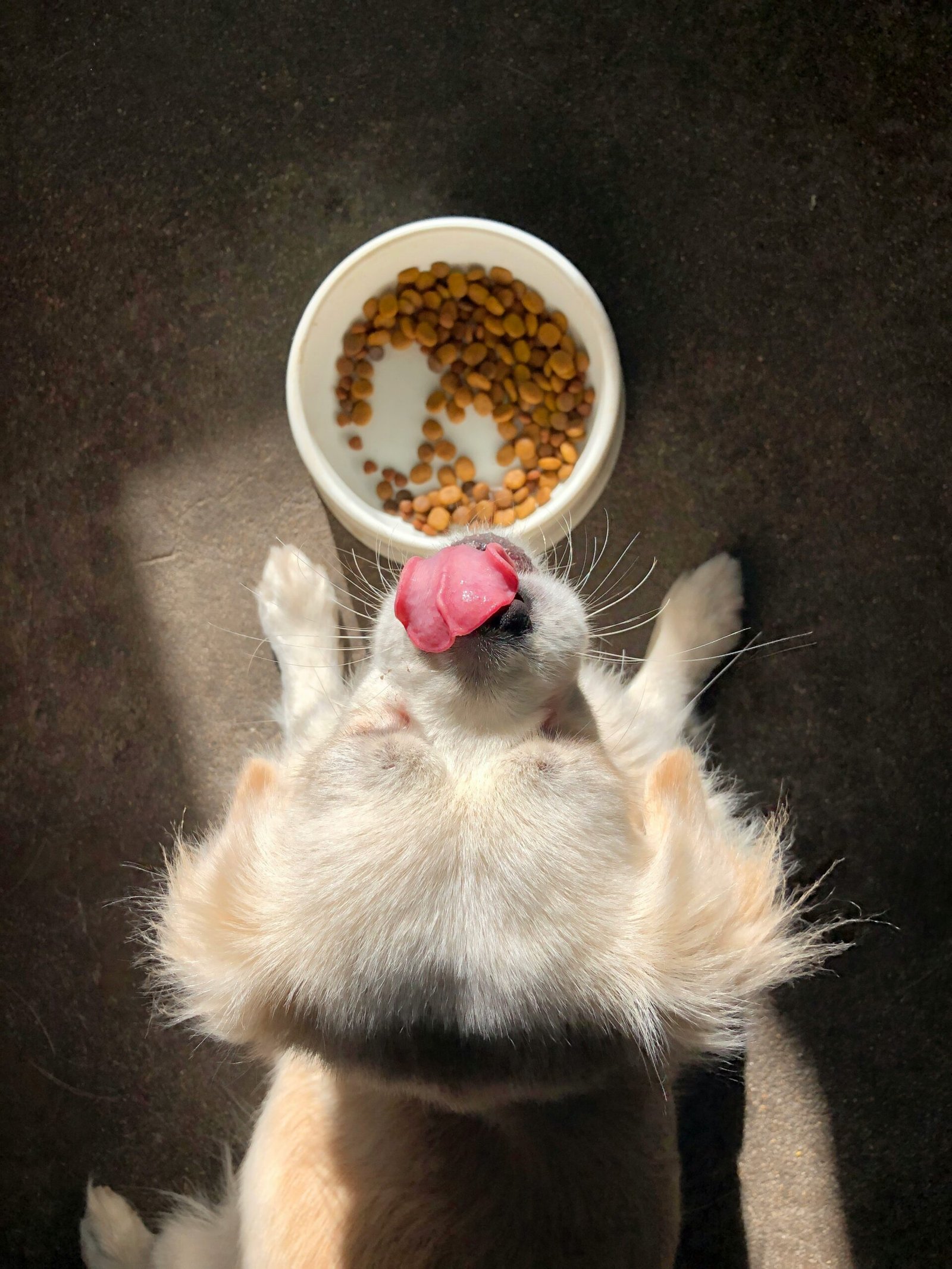
Complete Pet Feeding Chart Guide (2026): Daily Feeding Schedules for Dogs, Cats & Small Pets
💡 Quick Answer: How Much Should You Feed Your Pet?
Every pet is unique. The exact weight of food your pet requires depends on their species, age, target weight, activity level, and the caloric density (metaboliseable energy) of their specific food brand.
As a general rule:
- Puppies & Kittens: Require 3 to 4 meals daily using dedicated growth formulations to support rapid development.
- Adult Dogs & Cats: Thrive best on 2 scheduled meals per day tailored to their ideal body weight.
- Rabbits: Require 85–90% of their daily diet in fresh, high-quality grass hay, supplemented with a small handful of leafy greens and a minimal pellet portion.
- Small Animals & Birds: Require species-specific pellet and seed blends supplemented with monitored fresh foods.
Golden Rule: Always check the feeding table on your pet food packaging as your starting baseline, use a digital kitchen scale for precision, monitor your pet’s Body Condition Score (BCS), and adjust portions in consultation with your veterinary team.
Key Takeaways
- Kilocalories Over Weight: Food volume can be misleading. Always measure daily rations based on energy content (kcal) and weight in grams using a digital scale rather than measuring cups.
- Life Stages Demand Different Nutrients: Growing puppies, pregnant mothers, and senior companions have fundamentally different nutritional needs than average active adults.
- Preventing Obesity Is Essential: Overfeeding shortens lifespan, increases arthritis pain, and raises the risk of metabolic conditions like diabetes mellitus.
- Constant Fresh Water: Every animal—from the smallest hamster to the largest mastiff—must have uninterrupted access to clean, fresh drinking water.
- Treats Count Towards Calories: Daily treats, table scraps, and training rewards must never exceed 10% of your pet’s total daily caloric intake.
- Why Proper Feeding Matters
- What Determines How Much a Pet Should Eat?
- Dog Feeding Chart & Schedules
- Cat Feeding Chart & Schedules
- Rabbit Feeding Chart & Dietary Balance
- Bird Feeding Chart
- Hamster Feeding Chart
- Fish Feeding Guide
- Treat Feeding Guide & Healthy Alternatives
- Foods Pets Should Never Eat
- Signs Your Pet Is Being Overfed
- Signs Your Pet May Not Be Eating Enough
- Common Feeding Mistakes
- Printable Daily Feeding Schedules
- Frequently Asked Questions
- Conclusion
Why Proper Feeding Matters
Feeding your pet is far more than a routine chore—it is the foundation of their long-term health, vitality, and emotional well-being. Proper nutrition provides the building blocks for every physiological process in your pet’s body, from cellular repair to cognitive function.
When you feed your companion a balanced, age-appropriate diet in correct portions, you support their health across several key areas:
- Balanced Growth and Development: Young animals need precise ratios of protein, calcium, and phosphorus. Too many or too few calories during growth can cause bone deformities, particularly in large-breed dogs.
- Immune System Resilience: Essential vitamins (such as vitamins A, C, and E), antioxidants, and minerals (like zinc and selenium) bolster immune defenses, helping your pet resist infections and environmental stressors.
- Sustained Muscle & Organ Health: High-quality amino acids maintain lean muscle mass, support heart function, and help preserve organ integrity as your pet ages.
- Healthy Weight Maintenance: Maintaining an ideal body weight reduces mechanical stress on joints, reduces systemic inflammation, and significantly decreases the risk of endocrine disorders like diabetes.
- Disease Prevention: Tailored nutrition can prevent or manage conditions such as feline lower urinary tract disease (FLUTD), canine pancreatitis, dental calculus, and chronic renal disease.
📌 Veterinary Advice Box
According to the World Small Animal Veterinary Association (WSAVA) and the PDSA, over 50% of domestic dogs and cats in developed nations are overweight or obese. Maintaining your pet at a lean body weight throughout their life can extend their median lifespan by up to two years and dramatically reduce the onset of painful joint conditions.
What Determines How Much a Pet Should Eat?
There is no single “correct” bowl size or daily gram weight that applies to all pets. Two pets of identical weight can have vastly different energy requirements.
Veterinarians determine a pet’s daily intake using several core factors:
  +-------------------------------------------------------------------+
  |               DAILY CALORIC REQUIREMENT FACTORS                   |
  +-------------------------------------------------------------------+
  |  1. Life Stage (Puppy/Kitten, Adult, Senior)                      |
  |  2. Target Weight & Body Condition Score (BCS)                   |
  |  3. Breed & Genetics (Small, Medium, Giant)                       |
  |  4. Neutering Status (Spayed/Neutered pets need fewer calories)  |
  |  5. Activity Level (Working, Active, Sedentary)                   |
  |  6. Environment (Indoor, Outdoor, Climate)                        |
  |  7. Health Status (Pregnancy, Lactation, Chronic Illness)          |
  +-------------------------------------------------------------------+
1. Age and Life Stage
Young, growing pets have exceptionally high metabolic rates and require significantly more energy per kilogram of body weight than adults. Conversely, senior pets often experience slowed metabolisms and reduced physical activity, requiring fewer calories but higher-quality digestible proteins to prevent muscle loss.
2. Breed and Expected Adult Weight
Genetic background heavily influences metabolic speed and growth rates. A Toy Poodle matures much faster than a Great Dane. Large and giant breeds require carefully controlled energy density during puppyhood to prevent rapid growth spurts that stress developing joints.
3. Body Weight and Target Condition
Portions should always be calculated based on your pet’s ideal target weight, not their current scale weight if they are overweight. Feeding an obese dog based on their current heavy weight will perpetuate obesity.
4. Activity Level and Lifestyle
A working Border Collie herding sheep all day burns exponentially more kilocalories than a quiet companion living in an apartment. Similarly, outdoor cats exposed to cold weather burn extra calories simply maintaining core body temperature compared to indoor cats resting on sunny windowsills.
5. Neutering Status
Neutering or spaying alters a pet’s hormonal balance, which typically reduces their Resting Energy Requirement (RER) by roughly 15% to 20%. Portions usually need slight downward adjustment following gonadectomy to prevent rapid weight gain.
6. Health Conditions, Pregnancy, and Lactation
Pregnant and nursing mothers require nutrient-dense growth or performance diets to support developing litters and produce milk. Medical conditions such as hyperthyroidism, kidney failure, or gastrointestinal malabsorption also require tailored dietary strategies.
Dog Feeding Chart & Schedules
Puppies grow rapidly, while adult dogs need balanced maintenance, and seniors require easily digestible nutrients with joint support.
Important Note: The gram ranges below are general illustrative guidelines based on standard commercial kibble (approx. 350–400 kcal per 100g). Always refer to your specific food packaging and scale portions according to your dog’s ideal weight.
1. Puppy Feeding Schedule (Up to 12 Months)
Puppies require dedicated growth formulas rich in protein, essential fatty acids (like DHA for brain development), and balanced minerals.
Daily Portion Baseline for Puppies
| Expected Adult Weight | 2 to 4 Months Old | 4 to 8 Months Old | 8 to 12 Months Old | Meals Per Day |
| Toy / Small (1–10 kg) | 50 g – 120 g | 70 g – 140 g | Transition to Adult | 3 to 4 meals |
| Medium (11–25 kg) | 140 g – 260 g | 220 g – 340 g | 250 g – 350 g | 3 meals |
| Large / Giant (26–45+ kg) | 220 g – 420 g | 380 g – 600 g | 450 g – 680 g | 3 meals |
2. Adult Dog Feeding Schedule (1 to 7 Years)
Adult maintenance diets focus on sustaining lean muscle mass, healthy organ function, and ideal body condition.
Daily Portion Baseline for Adult Dogs
| Dog Size & Weight Class | Typical Body Weight Range | Estimated Daily Food Range | Recommended Frequency |
| Toy Breeds | 1 kg – 5 kg | 35 g – 90 g | 2 meals per day |
| Small Breeds | 6 kg – 10 kg | 100 g – 150 g | 2 meals per day |
| Medium Breeds | 11 kg – 25 kg | 160 g – 300 g | 2 meals per day |
| Large Breeds | 26 kg – 40 kg | 320 g – 450 g | 2 meals per day |
| Giant Breeds | 41 kg – 60+ kg | 470 g – 650+ g | 2 to 3 meals per day |
3. Senior Dog Feeding Schedule (7+ Years)
Senior dogs often benefit from slightly reduced caloric intake paired with higher digestibility, added joint support (glucosamine, chondroitin, omega-3 fatty acids), and tailored fiber levels.
Daily Portion Baseline for Senior Dogs
| Dog Size Class | Typical Senior Starting Age | Caloric Shift | Recommended Frequency |
| Small Breeds | 8–9 years | Reduce calories by ~10–15% | 2 small meals per day |
| Medium Breeds | 7–8 years | Reduce calories by ~10–15% | 2 small meals per day |
| Large / Giant Breeds | 5–6 years | Reduce calories by ~15–20% | 2 to 3 small meals per day |
Dog Feeding Frequency Summary Table
| Life Stage | Age Range | Daily Feeding Frequency | Primary Focus |
| Young Puppy | 8 weeks – 4 months | 4 meals daily | High energy, small stomach capacity |
| Older Puppy | 4 months – 9/12 months | 3 meals daily | Controlled growth, bone development |
| Adult Dog | 1 year – 7 years | 2 meals daily | Maintenance, energy balance, lean mass |
| Senior Dog | 7+ years (varies by breed) | 2 meals daily | Joint care, high digestibility, weight control |
Cat Feeding Chart & Schedules
Cats are obligate carnivores, meaning they require animal-based protein and specific nutrients like taurine, arginine, vitamin A, and arachidonic acid to survive.
Cats naturally prefer eating multiple small meals throughout the day and night.
1. Kitten Feeding Schedule (Up to 12 Months)
Kittens grow at a remarkable pace and need concentrated energy, high protein, and vital nutrients to support bone, muscle, and nerve development.
Daily Portion Baseline for Kittens
| Kitten Age | Wet Food Portion (85g pouches) | Dry Kibble Portion (if fed alone) | Feeding Frequency |
| 2 to 3 Months | 2.5 to 3.5 pouches daily | 40 g – 55 g daily | 4 meals per day |
| 4 to 6 Months | 3.5 to 4.5 pouches daily | 55 g – 70 g daily | 3 to 4 meals per day |
| 7 to 12 Months | 3 to 4 pouches daily | 50 g – 65 g daily | 2 to 3 meals per day |
2. Adult & Senior Cat Feeding Schedule
Daily Portion Baseline for Adult Cats (Ideal Target Weight: 4 kg)
| Lifestyle & Category | Wet Food Only (85g pouches) | Dry Kibble Only | Mixed Feeding Combination |
| Indoor / Neutered Adult | ~2.5 to 3 pouches daily | ~40 g – 50 g daily | 1 pouch + ~25 g kibble |
| Active / Outdoor Adult | ~3 to 4 pouches daily | ~55 g – 70 g daily | 2 pouches + ~25 g kibble |
| Senior Cat (11+ Years) | ~2.5 to 3.5 pouches daily | ~45 g – 60 g daily | 2 pouches + ~20 g kibble |
🐱 Mixed Feeding & Hydration Tip
Combining wet and dry food is often considered ideal for cats. Wet food provides vital hydration that supports urinary tract health, while dry kibble provides convenience and dietary variety. Always adjust the portions of both so you do not accidentally double your cat’s daily caloric limit!
Rabbit Feeding Chart & Dietary Balance
A rabbit’s digestive system relies on a constant flow of long-strand fiber to maintain healthy gut motility and wear down continuously growing teeth.
  +-------------------------------------------------------------------+
  |                  RABBIT DAILY DIET PYRAMID                        |
  +-------------------------------------------------------------------+
  |  85% - 90%  : Fresh Grass Hay (Timothy, Meadow, Orchard Grass)    |
  |  10%        : Fresh Leafy Greens & Culinary Herbs                 |
  |  5%         : High-Fiber Plain Extruded Pellets                   |
  |  TREATS     : Teaspoon of fruit/root veg (Occasional ONLY)         |
  +-------------------------------------------------------------------+
Rabbit Daily Feeding Breakdown Table
| Diet Component | Daily Portion Guideline | Notes & Selection Advice |
| Fresh Grass Hay | Unlimited (minimum body size pile) | Timothy, Meadow, or Orchard hay. Avoid Alfalfa for adult rabbits due to high calcium. |
| Leafy Greens | 1 packed mug size per 1 kg body weight | Romaine lettuce, spring greens, coriander, parsley, basil, dandelion greens. |
| Commercial Pellets | 1 tablespoon per 1–2 kg body weight | Use uniform plain pellets only. Avoid muesli-style mixes which cause selective eating. |
| Clean Water | Unlimited continuous access | Bowl or bottle checked twice daily. Bowls encourage higher water intake. |
Bird Feeding Chart
Avian nutrition has advanced significantly over recent years. Veterinary consensus now discourages pure seed diets, which are excessively high in fat and deficient in key vitamins (especially vitamin A and calcium).
Avian Dietary Ratios Table
| Bird Species | Formulated Pellets (%) | Fresh Vegetables & Greens (%) | Seeds, Nuts & Fruits (%) |
| Parrots (African Grey, Amazon, Conure) | 60% – 70% | 20% – 25% | 5% – 10% (Nut treats) |
| Budgies & Cockatiels | 50% – 60% | 20% – 30% | 10% – 20% (Controlled seed) |
| Canaries & Finches | 40% – 50% | 20% – 30% | 20% – 30% (High-quality seed mix) |
Key Fresh Foods for Birds
- Safe Vegetables: Broccoli, carrots, sweet potato (cooked), kale, spinach, bell peppers, peas.
- Safe Fruits (In Moderation): Apple slices (remove seeds), blueberries, banana, papaya.
Hamster Feeding Chart
Hamsters are omnivorous rodents with active metabolisms and specialized cheek pouches used for foraging and hoarding food.
Hamster Daily Diet Guide
| Diet Element | Syrian Hamster Portion | Dwarf Hamster Portion | Frequency |
| Commercial Fortified Mix | 1 to 2 tablespoons (approx. 10–15g) | 1 dessertspoon (approx. 7–10g) | Daily |
| Fresh Vegetables | 1 small teaspoon-sized piece | 1 tiny fingernail-sized piece | 2 to 3 times weekly |
| Protein Treats | Tiny piece of boiled egg or mealworm | 1 dried mealworm | Once weekly |
Safe vs Unsafe Fresh Foods for Hamsters
- Safe Fresh Foods: Broccoli florets, cucumber slices, small pieces of carrot, cauliflower, spinach leaves.
- Unsafe Foods: Citrus fruits (oranges, lemons), raw beans, onions, garlic, sugary processed treats.
Fish Feeding Guide
Overfeeding is the single leading cause of aquarium fish mortality. Excess food decays quickly, causing toxic ammonia and nitrite spikes that foul water chemistry.
Fish Feeding Guidelines Table
| Fish Category | Primary Food Type | Daily Feeding Frequency | Portion Duration Rule |
| Freshwater Community | High-quality flake or micro-pellets | 1 to 2 times daily | What they eat in 2 minutes |
| Goldfish | Sinking goldfish pellets / veggies | 1 to 2 times daily | What they eat in 2 minutes |
| Betta Fish | Specific Betta pellets / bloodworms | 1 to 2 times daily | 3 to 4 micro-pellets per meal |
| Tropical Bottom Feeders | Sinking wafers / spirulina tabs | Once daily (evening) | 1 wafer per 2–3 catfish/loaches |
🐠 The Two-Minute Rule
Pinch a small amount of food into the tank. Any food remaining floating or sinking after two minutes is an overfeed. Promptly scoop out leftover food with a fine net to preserve your water quality!
Treat Feeding Guide & Healthy Alternatives
Treats are wonderful for bonding, enrichment, and positive reinforcement training. However, they must be strictly managed to prevent nutritional imbalances and weight gain.
  +-------------------------------------------------------------------+
  |                     THE 10% TREAT RULE                            |
  +-------------------------------------------------------------------+
  |                                                                   |
  |   [   90% Daily Caloric Allowance: Complete Balanced Pet Food   ]  |
  |   [ 10% Max Allowance: Treats, Scraps & Training Rewards        ] |
  |                                                                   |
  +-------------------------------------------------------------------+
Safe, Healthy Low-Calorie Alternatives
For Dogs:
- Raw Crunchy Vegetables: Carrot batons, cucumber slices, green beans.
- Fresh Fruit: Blueberries, apple slices (without seeds or core), watermelon (seedless).
- Air-Puffed Plain Treats: Plain unseasoned rice cakes broken into tiny training pieces.
For Cats:
- Plain cooked white fish or skinless chicken breast (tiny unseasoned morsels).
- Commercial freeze-dried 100% meat treats (single-ingredient chicken or liver).
Foods Pets Should Never Eat
Many common household human foods contain compounds that are highly toxic to domestic animals. Below is a safety reference guide:
| Toxic Food | Primary Affected Pets | Toxins / Harmful Agents | Potential Clinical Consequences |
| Chocolate | Dogs, Cats, Small Pets | Theobromine & Caffeine | Vomiting, hyperactivity, elevated heart rate, seizures, death. |
| Grapes & Raisins | Dogs, Cats | Unknown toxic compound | Acute kidney failure, severe vomiting, lethargy. |
| Onions & Garlic | Dogs, Cats | Allium thiosulphates | Damage to red blood cells, hemolytic anaemia, weakness, pale gums. |
| Xylitol / Birch Sugar | Dogs | Artificial sweetener | Rapid insulin spike, severe hypoglycemia, acute liver failure. |
| Alcohol | All Pets | Ethanol | Severe metabolic acidosis, central nervous system depression, coma. |
| Coffee & Tea | All Pets | Caffeine | Muscle tremors, rapid heart rhythm, cardiac arrest. |
| Macadamia Nuts | Dogs | Unknown lipid toxin | Weakness in hind limbs, vomiting, tremors, hyperthermia. |
| Cooked Bones | Dogs, Cats | Physical splintering | Intestinal perforation, mouth lacerations, severe impaction. |
| Avocado | Birds, Rabbits, Horses | Persin | Respiratory distress, fluid accumulation around heart, death. |
| Lilies (All Parts) | Cats | Feline specific nephrotoxin | Severe acute kidney failure from minimal pollen or water ingestion. |
Signs Your Pet Is Being Overfed
It can be surprisingly easy to overfeed a pet, especially when using a plastic cup or estimating visually. Watch out for these subtle indicators:
- Loss of an Observed Waist: When viewed from above, your pet should have a visible taper behind their ribs. If their sides are straight or bulging, they are carrying excess weight.
- Inability to Feel Ribs easily: You should easily feel your dog or cat’s ribs under a light layer of tissue without pressing deep into fat.
- Lethargy and Exercise Intolerance: Overfed pets tire rapidly during walks or play sessions due to excess weight straining their cardiorespiratory system.
- Digestive Disturbances: Consistently soft, voluminous, or unformed stools can indicate that your pet’s digestive system is overwhelmed by excessive portion sizes.
- Grooming Difficulties: Overweight cats often struggle to reach the base of their tail or spine, leading to matted fur or dandruff in those areas.
Signs Your Pet May Not Be Eating Enough
Underfeeding—whether due to incorrect portioning, poor digestibility, or an underlying medical problem—requires immediate attention:
- Prominent Bones: Ribs, spine, and pelvic bones are sharply defined and visually prominent from a distance.
- Dull, Dry, or Shedding Coat: Lack of adequate calories and essential fatty acids leads to a thin, brittle, or scaly coat.
- Low Energy Levels: Reluctance to run, play, or participate in daily household activities.
- Muscle Wasting: Loss of muscle mass along the spine, thighs, and head.
- Constant Food Seeking: Extreme restlessness or persistent scavenging behaviors around counters and bins.
Common Feeding Mistakes
| Feeding Mistake | Why It Happens | Better Approach |
| Using Measuring Cups Instead of Scales | Measuring volume with a plastic scoop can introduce a 20%–30% error margin based on kibble density. | Weigh food daily in grams using an inexpensive digital kitchen scale. |
| Free-Feeding (Leaving Food Out) | Owners worry their pet will go hungry; cats and dogs graze out of boredom. | Practice strict meal-feeding times twice daily to track exact intake. |
| Ignoring Treat Calories | Training treats and kitchen scraps are treated as “extras” outside meal plans. | Subtract treat calories from the pet’s main daily food ration. |
| Sudden Diet Changes | Switching pet food brands instantly disrupts intestinal microflora. | Transition gradually over 7 to 10 days by mixing increasing ratios of new food. |
| Feeding Muesli Mixes to Small Pets | Buying colourful seed/flake mixes for rabbits or hamsters. | Feed uniform pellets so animals cannot selectively eat high-fat pieces. |
| Feeding Dog Food to Cats | Assuming pet foods are interchangeable between species. | Never feed dog food to cats. Cats require higher protein and essential taurine. |
Printable Daily Feeding Schedules
Print or screenshot these daily routine templates to keep your family or pet sitter perfectly organized.
Plaintext
======================================================================
                  PETSTORYDAILY DAILY PET FEEDING PLANNER
======================================================================

PET NAME: ____________________  SPECIES/BREED: _____________________
TARGET WEIGHT: _______________  DAILY GRAM ALLOWANCE: ______________

----------------------------------------------------------------------
1. DOG DAILY ROUTINE
----------------------------------------------------------------------
[ ] 07:30 AM - Morning Walk / Exercise
[ ] 08:00 AM - Morning Meal (Weighed Target: _______ grams)
[ ] 08:15 AM - Refill Fresh Water Bowl
[ ] 05:30 PM - Evening Walk / Play Session
[ ] 06:00 PM - Evening Meal (Weighed Target: _______ grams)
[ ] 09:30 PM - Final Water Check & Quick Night Rest Break

----------------------------------------------------------------------
2. CAT DAILY ROUTINE
----------------------------------------------------------------------
[ ] 07:00 AM - Morning Wet Food Meal (Target: _______ grams/pouch)
[ ] 07:15 AM - Clean and Refill Water Fountain / Bowls
[ ] 05:00 PM - Interactive Puzzle Feeder / Kibble Allocation
[ ] 09:00 PM - Evening Wet Food Meal (Target: _______ grams/pouch)

----------------------------------------------------------------------
3. RABBIT / SMALL ANIMAL DAILY ROUTINE
----------------------------------------------------------------------
[ ] 08:00 AM - Top Up Fresh Grass Hay (Must be unlimited!)
[ ] 08:10 AM - Measure Daily Uniform Pellets (Target: _______ tbsp)
[ ] 08:15 AM - Wash & Refill Fresh Water Bottle/Bowl
[ ] 06:00 PM - Fresh Leafy Greens Selection (Target: _______ mug size)
======================================================================
Frequently Asked Questions
1. How do I know if my dog or cat is at a healthy weight?
Use the Body Condition Score (BCS) system (a 1-to-9 scale used by veterinarians). At an ideal score of 4 or 5:
- Ribs should be easily felt with light palm pressure, without an overlying layer of excess fat.
- An hourglass waist should be visible from directly above.
- An abdominal tuck should be visible from the side.
2. Should I feed my cat wet or dry food?
Both have distinct benefits. Wet food provides high moisture content that aids kidney and urinary tract health, while dry kibble offers convenience and can support dental health when specifically formulated for plaque control. Combining both in a measured, mixed-feeding plan is often ideal.
3. Is it okay to leave food out all day (free-feeding)?
Free-feeding is not recommended for most pets. It often leads to overeating, weight gain, and makes it difficult to notice early warning signs of illness, such as a subtle drop in appetite.
4. How do I safely switch my pet to a new food brand?
Transition gradually over 7 to 10 days to avoid gastrointestinal upset:
- Days 1–3: 75% old food + 25% new food
- Days 4–6: 50% old food + 50% new food
- Days 7–9: 25% old food + 75% new food
- Day 10: 100% new food
5. Why is my dog eating grass?
Grass eating is a common behavior in dogs. While owners often think dogs eat grass to induce vomiting for an upset stomach, research shows many dogs eat grass simply because they enjoy the taste and texture, or to add minor dietary fiber. If accompanied by lethargy or vomiting, consult your vet.
6. Can I feed my puppy adult dog food?
No. Puppies require higher energy density, increased amino acids, and precise calcium-to-phosphorus ratios to support growing bones and tissues. Feeding adult food to a growing puppy can cause developmental imbalances.
7. What should I do if my cat stops eating entirely?
A cat that refuses food for more than 24 hours requires urgent veterinary assessment. Prolonged fasting in cats triggers hepatic lipidosis (fatty liver disease), a severe metabolic condition requiring intensive care.
8. How much water should my pet drink daily?
As a general baseline, dogs and cats require roughly 50 ml of water per kilogram of body weight daily. Animals eating dry kibble diets, active pets, and those in warm weather will naturally drink more.
9. Why can’t rabbits eat muesli-style seed mixes?
Muesli mixes allow rabbits to selectively pick out sweet, high-starch ingredients while ignoring high-fiber pellets. This leads to severe dental disease, gut stasis, and obesity. Always choose plain, uniform pellets.
10. Are grain-free diets better for pets?
Not necessarily. Unless your pet has a medically diagnosed grain allergy (which is uncommon; most pet allergies are triggered by environmental factors or specific protein sources like beef or chicken), grains provide valuable, easily digestible carbohydrates and fiber. Consult your vet before switching to a grain-free diet.
11. How many treats can I give my pet during training sessions?
Treats should make up no more than 10% of your pet’s daily caloric limit. During intensive training, use small training treats, break treats into tiny pieces, or set aside a portion of your pet’s daily kibble allowance to use as rewards.
12. Can I feed raw meat to my dog or cat?
Raw meat diets carry documented risks of bacterial contamination (Salmonella, Listeria, E. coli) that can affect both pets and human family members, as well as risks of bone injury or nutritional imbalance if not formulated by a board-certified veterinary nutritionist. If considering raw feeding, work closely with a veterinary professional.
13. How often should I feed a senior dog?
Feeding senior dogs two to three small, easily digestible meals daily helps maintain stable blood sugar levels, reduces pressure on the digestive system, and keeps older pets engaged throughout the day.
14. Why is my hamster hoarding all its food in one corner?
Hoarding food is a natural, instinctive survival behavior for hamsters. They carry food in their cheek pouches and store it in safe nesting areas. Check these hoards regularly and remove any damp fresh food so it does not spoil.
15. Do indoor cats need fewer calories than outdoor cats?
Yes. Indoor cats typically exercise less and do not burn calories maintaining core body temperature in cold weather. They require tailored indoor adult formulas with lower energy density and added hairball control fiber.
16. What is Gastric Dilation-Volvulus (GDV or Bloat), and how is it related to feeding?
GDV is a life-threatening condition where the stomach fills with gas and twists, primarily affecting large and deep-chested dog breeds. To lower the risk, avoid vigorous exercise for one hour before and after meals, feed two or more smaller meals rather than one large meal daily, and prevent rapid bolting of food using slow-feeder bowls.
17. How do I prevent my multi-pet household from stealing each other’s food?
Feed pets in separate rooms, use microchip-activated feeders that only open for specific pets, or supervise mealtime directly to ensure each animal eats only their designated portion.
18. Why is my bird plucking its feathers? Is it related to diet?
Feather plucking can stem from nutritional deficiencies (such as a lack of vitamin A or essential minerals from an all-seed diet), as well as environmental boredom, skin infections, or low humidity. A veterinary workup and conversion to a high-quality pelleted diet are key steps.
19. Is it safe to feed cooked chicken bones to dogs?
No, never feed cooked bones to pets. Cooking makes bones brittle, causing them to splinter into sharp fragments that can puncture the mouth, esophagus, stomach, or intestines.
20. How do I calculate my pet’s exact daily caloric needs?
Veterinarians calculate a pet’s Resting Energy Requirement (RER) using the formula:
$$\text{RER (kcal/day)} = 70 \times (\text{Body Weight in kg})^{0.75}$$
This figure is then multiplied by a factor based on life stage, activity, and neutering status to determine total daily energy needs.
Conclusion
Feeding your pet appropriately is one of the single most influential decisions you make for their health every day. By focusing on species-appropriate, life-stage-tailored nutrition, weighing food portions precisely on a digital scale, keeping treats to under 10% of total calories, and establishing consistent daily schedules, you give your pet the best foundation for a long, vibrant life.
Remember that feeding guidelines on commercial pet food packaging serve as a general starting point, not an absolute rule. Monitor your pet’s body condition score regularly, keep fresh water available at all times, and work alongside your veterinary team to fine-tune your pet’s diet as they grow, mature, and age.
Editorial & Compliance Documentation
Author Bio
Dr. Sarah Jenkins, BVetMed, MRCVS
Dr. Sarah Jenkins is a UK-qualified veterinary surgeon, pet health writer, and companion animal nutrition advocate with over 12 years of clinical small-animal practice experience. She is passionate about helping pet owners make confident, evidence-based nutrition decisions for their animals.
Editorial Note
This article was authored and peer-reviewed in accordance with PetStoryDaily’s strict editorial standards. Content is regularly reviewed against emerging veterinary nutritional science and guidelines set by leading international animal welfare organizations.
Educational Nutrition Disclaimer
The information provided in this guide is intended for educational purposes only and should not replace professional veterinary advice, diagnosis, or treatment. Every animal has unique nutritional requirements based on individual health status, metabolism, and lifestyle. Always consult your veterinarian before making significant changes to your pet’s diet, meal schedule, or weight management plan.