The Ultimate Pet Food Guide (2026): Choosing the Best Food for Every Pet
💡 Quick Answer: How Do You Choose the Best Food for Your Pet?
There is no single “best” pet food for every animal. The optimal diet depends on your pet’s species, life stage, body condition, activity level, and underlying health profile.
- Check Nutritional Adequacy: Ensure the food label displays a FEDIAF (Europe/UK) or AAFCO (US) adequacy statement confirming it is a “complete and balanced” food for your pet’s life stage.
- Prioritise High-Quality Protein: Look for clearly identified, named animal protein sources (e.g., “deboned chicken” or “salmon meal”) as primary ingredients.
- Match the Life Stage: Feed growth-formulated diets to puppies and kittens, maintenance diets to adults, and senior diets with adjusted calories and joint support to older pets.
- Species-Specific Requirements: Remember that cats are obligate carnivores requiring high protein and taurine, dogs are adaptive omnivores, rabbits require 85–90% grass hay, and small animals or birds require specialized pelleted balances.
- Consult Your Veterinary Team: Always involve your vet or a board-certified veterinary nutritionist when choosing or altering your pet’s dietary plan.
Key Takeaways
- Look for “Complete and Balanced”: Complementary foods or treats should never make up the primary diet, as they lack essential vitamins and minerals.
- Name Your Ingredients: Quality commercial diets clearly list named protein sources rather than generic, ambiguous terms like “animal derivative.”
- Hydration Is Critical: Wet and fresh foods provide vital hydration, particularly for cats, which naturally have a low thirst drive.
- Digestive System Needs Differ: Herbivores (rabbits, guinea pigs) require high-fiber grass hay for gut motility and dental health; omnivores and carnivores require balanced proteins, fats, and carbohydrates.
- Transition Slowly: Always switch pet foods over 7 to 10 days to prevent gastrointestinal upset, vomiting, or diarrhoea.
Clickable Table of Contents
- Why Nutrition Is the Foundation of Pet Health
- Understanding Pet Food Labels
- Types of Pet Food: Pros, Cons & Best Use Cases
- Dog Food Guide: Life Stages & Special Needs
- Cat Food Guide: Feline Nutritional Principles
- Rabbit Food Guide: Essential Fibre Balance
- Bird Food Guide: Beyond All-Seed Diets
- Fish Food Guide: Aquarium Species Needs
- Hamster Food Guide: Foraging & Nutrition
- How to Change Your Pet’s Food Safely
- Foods That Are Dangerous for Pets
- How to Store Pet Food Correctly
- Common Feeding Myths Debunked
- Common Food Mistakes Owners Make
- Printable Pet Food Shopping Checklist
- Frequently Asked Questions
- Conclusion
Why Nutrition Is the Foundation of Pet Health
Nutrition is the single most controllable factor influencing your pet’s quality of life, vitality, and longevity. Proper nutrition feeds every tissue, organs system, and cellular reaction in the body.
  +-------------------------------------------------------------------+
  |                  THE PILLARS OF PET NUTRITION                     |
  +-------------------------------------------------------------------+
  |  1. Structural Growth   : Bones, cartilage, and muscle mass       |
  |  2. Cognitive Function  : DHA & fatty acids for brain development |
  |  3. Immune Defense      : Antioxidants, zinc, and selenium       |
  |  4. Energy & Vitality   : Balanced fats and digestible carbs      |
  |  5. Disease Prevention  : Reduced risk of diabetes, kidney disease|
  |  6. Healthy Weight      : Caloric balance to prevent joint strain |
  +-------------------------------------------------------------------+
Key Health Benefits of Balanced Nutrition
- Optimal Growth & Skeletal Strength: Growing animals require precise calcium-to-phosphorus ratios. Imbalances—especially in large-breed puppies—can lead to developmental orthopedic disorders such as hip dysplasia or osteochondrosis.
- Brain and Vision Development: Docosahexaenoic acid (DHA), an omega-3 fatty acid found in fish oil and microalgae, is critical for neurological and retinal development in young puppies and kittens.
- Immune Resilience: A gut-healthy diet rich in prebiotics (such as fructo-oligosaccharides) and antioxidants (vitamins C and E) supports the gut microbiome, where roughly 70% of the immune system resides.
- Longevity and Organ Support: High-quality, easily digestible proteins reduce metabolic strain on the liver and kidneys as pets age.
- Weight Management: Maintaining an ideal body weight reduces systemic inflammation, relieves stress on weight-bearing joints, and drastically cuts the risk of metabolic conditions such as diabetes mellitus.
📌 Expert Advice Box
According to guidelines from the World Small Animal Veterinary Association (WSAVA), nutritional evaluation should be part of every routine veterinary checkup. Assessing body condition score (BCS) alongside diet quality ensures potential health issues are identified before clinical signs appear.
Understanding Pet Food Labels
Deciphering pet food labels can feel overwhelming. Manufacturers follow strict regulatory standards set by bodies like FEDIAF in Europe and the UK or AAFCO in North America, but understanding how to read these labels empowers you to make informed choices.
  +-------------------------------------------------------------------+
  |                   HOW TO READ A PET FOOD LABEL                    |
  +-------------------------------------------------------------------+
  |  [ Product Name ] ---> Reflects main ingredient percentage rules   |
  |  [ Statement ]    ---> "Complete & Balanced" vs "Complementary"   |
  |  [ Ingredients ]  ---> Listed in descending order by weight        |
  |  [ Analysis ]     ---> Protein %, Fat %, Fibre %, Moisture %      |
  |  [ Feeding Guide ] ---> Baseline intake based on body weight       |
  +-------------------------------------------------------------------+
1. Ingredient List Mechanics
Ingredients are listed in descending order by weight before cooking.
- Fresh Whole Meats: Meats like “fresh chicken” contain high moisture content (around 70%). Once dehydrated during kibble manufacturing, their actual contribution to total protein decreases.
- Meat Meals: Ingredients like “chicken meal” or “salmon meal” have had moisture removed before cooking, providing a concentrated source of protein.
- Specific vs Generic Names: Look for named items (e.g., “lamb meal,” “turkey liver”) rather than vague descriptions like “meat and animal derivatives,” which allow manufacturers to alter the ingredient mix between batches.
2. Guaranteed Analysis & Analytical Constituents
Commercial packaging displays minimum percentages for crude protein and crude fat, alongside maximum percentages for crude fibre and moisture.
- Crude Protein: Total nitrogen content, representing protein from both animal and plant sources.
- Crude Fat: Essential fatty acids and concentrated energy.
- Crude Fibre: Indigestible plant material that supports bowel regularity and gut health.
- Moisture: Dry kibble typically contains 8–10% moisture, whereas wet canned food contains 75–85%.
Comparing Wet vs Dry Nuances: Because wet food contains up to 80% moisture, its listed protein percentage appears much lower than dry food. To compare them fairly, convert both to a Dry Matter (DM) basis using the formula:
$$\text{Dry Matter \%} = \frac{\text{Listed Nutrient \%}}{100 – \text{Moisture \%}} \times 100$$
3. Nutritional Adequacy Statements
Look for clear regulatory language on the package:
- Complete and Balanced: Contains all essential nutrients required in correct ratios for daily feeding without extra supplementation.
- Complementary / Intermittent: Intended as treats, mixers, or short-term toppers. Feeding these as a primary diet causes nutritional deficiencies over time.
- Life-Stage Specific: Formulated explicitly for “Growth” (puppies/kittens), “Adult Maintenance,” or “All Life Stages.”
Types of Pet Food
Pet owners today can choose from a wide variety of pet food formats. Each format has distinct nutritional and practical trade-offs.
Wet vs Dry Pet Food Comparison Table
| Feature | Dry Kibble | Wet / Canned Food | Fresh / Gently Cooked | Freeze-Dried / Raw |
|---|---|---|---|---|
| Moisture Content | Low (8% – 10%) | High (75% – 85%) | High (65% – 75%) | Very Low (2% – 5%) |
| Shelf Life | Long (once opened: 1 month) | Short (once opened: 2 days) | Very Short (refrigerate 3 days) | Long (ambient dry storage) |
| Hydration Support | Low | Excellent | High | Low (unless rehydrated) |
| Dental Friction | Mild mechanical scraping | Minimal | Minimal | Varies |
| Convenience | High (easy portioning) | Moderate | Requires refrigeration | High (if kept dry) |
| Pathogen Risk | Extremely low | Negligible (sterile) | Low (if cooked thoroughly) | Higher risk (requires handling care) |
In-Depth Breakdown of Food Formats
1. Dry Kibble
- Pros: Highly economical, shelf-stable, convenient for puzzle feeders, and simple to measure.
- Cons: Low moisture content; higher carbohydrate levels required to bind kibble shapes.
- Best Use Cases: Busy pet owners, multi-dog households, and pets needing kibble for training rewards or enrichment toys.
2. Wet Food (Pouches, Cans, Trays)
- Pros: Exceptional hydration, highly palatable for picky eaters, lower calorie density (helpful for weight loss), and soft texture for senior pets with dental issues.
- Cons: Higher cost per meal, shorter open shelf life, produces more packaging waste.
- Best Use Cases: All cats (to support urinary tract health), small dogs, picky eaters, and senior pets.
3. Fresh & Gently Cooked Diets
- Pros: Highly digestible whole-food ingredients, high moisture, free from heavy processing, appealing aroma.
- Cons: Premium cost, requires fridge or freezer space, short shelf life once defrosted.
- Best Use Cases: Pets with food sensitivities, fussy eaters, and owners looking for minimally processed ingredients.
4. Freeze-Dried & Dehydrated Diets
- Pros: Preserves heat-sensitive nutrients, lightweight, shelf-stable, highly palatable.
- Cons: Requires water rehydration before feeding, relatively expensive per serving.
- Best Use Cases: Travel, high-value training rewards, or meal toppers to enhance kibble palatability.
5. Raw Diets (BARF / Commercial Raw)
- Pros: Unprocessed whole food ingredients, highly digestible.
- Cons: Risk of bacterial contamination (Salmonella, Listeria), risk of nutritional imbalance if formulated unprofessionally, potential bone obstruction risks.
- Best Use Cases: Should only be fed using commercially prepared, complete-and-balanced formulations with strict hygiene protocols.
6. Veterinary Prescription Diets
- Pros: Scientifically formulated to treat specific medical conditions (e.g., chronic renal failure, urinary stone dissolution, severe food allergies).
- Cons: Requires veterinary oversight, higher cost.
- Best Use Cases: Pets diagnosed with specific metabolic, urinary, renal, cardiac, or gastrointestinal diseases.
Dog Food Guide
Dogs are adaptive omnivores. They thrive on balanced diets built from quality animal proteins, healthy fats, digestible carbohydrates, essential fatty acids, and fiber.
Dog Food Formulation Comparison Table
| Life Stage / Category | Key Nutritional Priority | Protein & Fat Focus | Key Supplement Additions |
|---|---|---|---|
| Puppy (Standard) | Rapid skeletal & tissue growth | High Protein (~28-30%), Moderate Fat | DHA, Calcium, Phosphorus |
| Puppy (Large Breed) | Controlled growth rate | Moderate Protein (~26%), Lower Fat | Controlled Calcium:Phosphorus ratio |
| Adult Maintenance | Muscle preservation & lean weight | Balanced Protein (~22-26%), Fat (~12-16%) | Balanced Omega-3 & Omega-6 |
| Senior Dog (7+ Yrs) | Joint mobility & cognitive care | Highly digestible protein, Lower calories | Glucosamine, Chondroitin, L-Carnitine |
| Active / Working Dog | Stamina & tissue repair | Elevated Protein (28%+), High Fat (20%+) | Electrolytes, Antioxidants |
| Weight Control | Caloric reduction with satiety | High Protein, Lower Fat (~8-10%) | High Soluble & Insoluble Fibre |
Life Stage Guidance for Dogs
1. Puppies
Puppies require nutrient-dense diets to support rapid bone and muscle development. Large and giant breed puppies (expected adult weight >25 kg) need specialized large-breed puppy formulas. These regulate energy intake and keep calcium levels controlled (around 1.0–1.3% dry matter) to prevent abnormally rapid bone growth.
2. Adult Dogs
Adult dogs require maintenance formulas aligned with their activity level. Highly active working breeds burn significantly more calories than quiet companions and need higher fat and protein ratios.
3. Senior Dogs
As dogs age, their metabolic rate slows down, and physical activity typically decreases. Senior formulas feature reduced calories to prevent weight gain, elevated fiber levels for digestion, joint support supplements (glucosamine, chondroitin, green-lipped mussel), and antioxidant blends to support brain health.
4. Managing Food Allergies in Dogs
True adverse food reactions in dogs are usually caused by common protein sources (such as beef, chicken, dairy, or wheat) rather than grains in general. If food allergies are suspected, your vet may recommend an elimination diet using a novel protein (e.g., venison, insect protein) or a hydrolysed protein diet, where proteins are broken down into small fragments that do not trigger an immune response.
Cat Food Guide
Cats are obligate carnivores. Their physiology requires animal-based protein and specific nutrients that their bodies cannot synthesize on their own.
  +-------------------------------------------------------------------+
  |               ESSENTIAL FELINE NUTRIENT REQUIREMENTS              |
  +-------------------------------------------------------------------+
  |  TAURINE             : Prevents central retinal degeneration & DCM|
  |  ARGININE            : Prevents toxic ammonia build-up            |
  |  PREFORMED VITAMIN A : Essential for vision and skin tissue        |
  |  ARACHIDONIC ACID   : Vital omega-6 fatty acid for cell integrity |
  |  HIGH PROTEIN        : Sustains amino-acid-dependent liver enzymes|
  +-------------------------------------------------------------------+
Cat Food Formulation Comparison Table
| Feline Category | Dietary Focus | Wet vs Dry Preference | Key Nutritional Addition |
|---|---|---|---|
| Kittens | Rapid energy & body tissue growth | Wet primary + growth kibble | Elevated DHA, Taurine, High Calories |
| Adult Indoor Cats | Weight management & hairball care | High Wet proportion | Prebiotic fibres, L-Carnitine |
| Senior Cats (11+) | Kidney support & muscle preservation | Highly digestible Wet focus | Highly digestible protein, Reduced Phosphorus |
| Urinary Support | Crystal prevention & bladder hydration | Exclusively / Predominantly Wet | Controlled Magnesium & Mineral balance |
| Sensitive Stomach | Easy digestion & gut microflora | Single protein Wet or Fresh | Probiotics, Highly digestible ingredients |
Life Stage & Lifestyle Guidance for Cats
1. Kittens
Kittens have small stomachs but high energy demands. They should be fed dedicated growth formulas rich in animal proteins, fats, and DHA from weaning up to 12 months of age.
2. Indoor vs Outdoor Cats
Indoor cats spend more time resting and grooming, making them prone to weight gain and hairballs. Indoor formulations feature lower caloric density and specific insoluble fibers that help hair pass safely through the digestive tract. Outdoor cats burn more calories regulating body temperature and exercising, requiring higher fat energy levels.
3. Urinary Tract Health Focus
Cats naturally have a low thirst drive, producing concentrated urine that can lead to urinary crystals or bladder inflammation (FLUTD). Feeding wet food is one of the most effective ways to increase hydration, dilute urine, and keep the urinary system healthy.
Rabbit Food Guide
Rabbits are hindgut fermenters with a delicate digestive system. Their digestive health depends on a continuous flow of long-strand grass fiber to keep their gut moving and wear down their continuously growing teeth.
  +-------------------------------------------------------------------+
  |                  RABBIT DIET PROPORTION GUIDE                     |
  +-------------------------------------------------------------------+
  |  85% - 90%  : Fresh Grass Hay (Timothy, Meadow, Orchard Grass)    |
  |  10%        : Fresh Leafy Greens (Romaine, Parsley, Spring Greens)|
  |  5%         : Plain High-Fibre Extruded Pellets                   |
  |  UNLIMITED  : Fresh, Clean Water (Checked Daily)                 |
  +-------------------------------------------------------------------+
Essential Diet Components
- Grass Hay (85–90%): Timothy, Meadow, or Orchard Grass hay must be available at all times in a pile at least the size of the rabbit’s body. Avoid feeding Alfalfa hay to adult rabbits, as its high calcium and protein levels can lead to urinary stones.
- Fresh Vegetables (10%): Provide a daily variety of dark leafy greens such as Romaine lettuce, spring greens, coriander, parsley, basil, and dandelion greens.
- Pellets (5%): Limit pellets to approximately 1 tablespoon per 1–2 kg of body weight daily. Choose plain, uniform high-fiber pellets rather than muesli mixes. Muesli mixes encourage selective eating, leading to dental disease and painful gut stasis.
- Foods to Avoid: Muesli mixes, seeds, nuts, human sweets, bread, potatoes, onions, and avocado.
Bird Food Guide
A common mistake in avian care is feeding an all-seed diet. Seeds are high in fat and lack essential nutrients, especially vitamin A and calcium, leading to obesity, fatty liver disease, and poor feather health.
Species-Specific Avian Diets
| Bird Species | Primary Base Diet | Daily Fresh Additions | Treats (In Moderation) |
|---|---|---|---|
| Parrots (African Grey, Amazon) | Formulated Pellets (60–70%) | Chopped Veggies & Greens (20–25%) | Walnuts, Almonds, Seeds (5–10%) |
| Budgies & Cockatiels | Formulated Micro-Pellets (50–60%) | Leafy greens, Carrots, Broccoli (20–30%) | Clean seed mix (10–20%) |
| Canaries & Finches | High-Quality Seed-Pellet Blend (50%) | Fine leafy greens, grated carrot (30–40%) | Egg food during moult (10%) |
Safe Fresh Veggies for Birds
Offer steamed sweet potato, broccoli, carrots, kale, bell peppers, peas, and dark leafy greens daily. Remove uneaten fresh food after 4 hours to prevent bacterial growth.
Fish Food Guide
Feeding aquarium fish requires matching the food format to how and where the species feeds in the water column. Overfeeding is the main cause of poor water quality and fish health problems.
Aquarium Fish Feeding Matrix
| Fish Category | Feeding Position | Ideal Diet Format | Feeding Frequency |
|---|---|---|---|
| Goldfish | Mid-water / Bottom | Sinking goldfish pellets, blanched peas | 1–2 times daily (2-minute limit) |
| Betta Fish | Surface Feeders | Floating Betta pellets, freeze-dried bloodworms | 3–4 micro-pellets twice daily |
| Tropical Community | Surface / Mid-water | High-quality flake or micro-pellets | 1–2 times daily (2-minute limit) |
| Bottom Feeders | Tank Floor | Sinking algae wafers, spirulina tablets | Once daily (preferably evening) |
Hamster Food Guide
Hamsters are omnivorous rodents with active metabolisms. In the wild, they forage for seeds, grains, vegetation, and small insects.
  +-------------------------------------------------------------------+
  |                   HAMSTER DAILY DIET BREAKDOWN                    |
  +-------------------------------------------------------------------+
  |  Main Base Diet   : 1 to 2 tbsp high-quality muesli/lab block mix  |
  |  Fresh Veggies    : Small teaspoon of fresh veggies 3x per week   |
  |  Animal Protein   : 1 dried mealworm or piece of boiled egg/week  |
  |  Treats (Limited) : 1 sunflower seed or pumpkin seed as a reward   |
  +-------------------------------------------------------------------+
Safe vs Unsafe Foods for Hamsters
- Safe Fresh Foods: Broccoli florets, cucumber slices, small pieces of carrot, spinach, and plain cooked chicken.
- Unsafe Foods: Citrus fruits (oranges, lemons), raw beans, onions, garlic, sugary processed treats, and apple seeds.
How to Change Your Pet’s Food Safely
Switching pet food too quickly can disrupt the gut microbiome, leading to vomiting, loose stools, or total refusal to eat. A gradual 7-to-10-day transition allows digestive enzymes and intestinal microflora time to adapt.
  +-------------------------------------------------------------------+
  |                   7-DAY FOOD TRANSITION PLANNER                   |
  +-------------------------------------------------------------------+
  |  Days 1 - 2  : [ 75% Old Food ] + [ 25% New Food ]                |
  |  Days 3 - 4  : [ 50% Old Food ] + [ 50% New Food ]                |
  |  Days 5 - 6  : [ 25% Old Food ] + [ 75% New Food ]                |
  |  Day 7+      : [ 100% New Food ]                                  |
  +-------------------------------------------------------------------+
Step-by-Step Transition Rules
- Weigh Portions Accurately: Use a digital kitchen scale to weigh old and new food during the mix to avoid accidental overfeeding.
- Monitor Stool Consistency: If your pet develops soft stools or gas, hold at the current blend ratio for an extra 2 to 3 days before increasing the new food portion.
- Picky Eater Strategy: For reluctant pets—especially cats—gently warm wet food to body temperature to release appealing aromas.
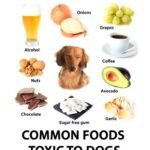
Foods That Are Dangerous for Pets
Many common human foods contain compounds that are toxic to companion animals. Keep these items well out of reach:
| Toxic Food | Primary Target Species | Toxic Principle | Potential Health Risks |
|---|---|---|---|
| Chocolate | Dogs, Cats, Small Pets | Theobromine & Caffeine | Hyperactivity, heart arrhythmias, seizures, fatal toxicity. |
| Xylitol / Birch Sugar | Dogs | Artificial Sweetener | Severe insulin release, hypoglycemia, liver failure. |
| Onions & Garlic | Cats, Dogs | Allium thiosulphates | Red blood cell damage, hemolytic anaemia, pale gums. |
| Grapes & Raisins | Dogs, Cats | Tartaric acid | Severe acute kidney failure, vomiting, lethargy. |
| Alcohol | All Pets | Ethanol | Central nervous system depression, respiratory failure, coma. |
| Coffee & Tea | All Pets | Caffeine | Severe muscle tremors, rapid heart rate, cardiac arrest. |
| Macadamia Nuts | Dogs | Unknown lipid toxin | Hind limb weakness, vomiting, tremors, fever. |
| Cooked Bones | Dogs, Cats | Physical splintering | Intestinal perforation, mouth injuries, severe blockage. |
| Mouldy Food | All Pets | Mycotoxins (Tremorgenic) | Severe muscle tremors, convulsions, organ damage. |
| Certain Mushrooms | All Pets | Muscarine / Amanitin toxins | Acute liver failure, neurological collapse, death. |
| Avocado | Birds, Rabbits, Horses | Persin | Respiratory distress, fluid build-up around heart, death. |
How to Store Pet Food Correctly
Proper storage preserves nutrient quality, prevents fats from going rancid, and keeps out pests and storage mites.
  +-------------------------------------------------------------------+
  |                     PET FOOD STORAGE GUIDELINES                   |
  +-------------------------------------------------------------------+
  | DRY KIBBLE  : Keep in ORIGINAL BAG inside an airtight bin.       |
  | WET FOOD    : Cover open cans, refrigerate, use within 48 hours.  |
  | FRESH FOOD  : Keep frozen; defrost in fridge; use in 3 days.      |
  | RAW DIETS   : Store at -18°C; defrost on bottom fridge shelf.     |
  +-------------------------------------------------------------------+
Key Storage Tips
- Keep Dry Kibble in Its Original Bag: Kibble bags are designed with protective moisture and oxygen barriers. Place the entire original bag inside an airtight plastic or metal container rather than pouring kibble directly into the bin.
- Store in a Cool, Dry Place: Store food away from direct sunlight and moisture, keeping temperatures below 25°C to prevent fat oxidation and nutrient breakdown.
- Wash Food Bowls Daily: Stainless steel or ceramic bowls should be washed daily with warm, soapy water to remove bacteria and oils.
Common Feeding Myths
| Feeding Myth | Nutritional Fact |
|---|---|
| “Grain-free food is always healthier for pets.” | Unless a pet has a diagnosed grain allergy, grains provide valuable energy, digestible carbohydrates, and fiber. In dogs, certain grain-free diets have been investigated for potential links to heart issues (DCM). |
| “Raw diets cure all pet health issues.” | Raw diets can carry risks of bacterial contamination (Salmonella) and nutritional imbalances if not carefully formulated by a qualified expert. |
| “Cats can thrive on a vegetarian diet.” | Cats are obligate carnivores. They require nutrients found naturally in meat, such as preformed vitamin A, taurine, and arachidonic acid. |
| “Eating cooked bones is safe for dogs.” | Cooking makes bones brittle, causing them to splinter into sharp pieces that can tear the stomach or intestines. |
| “If a pet eats grass, they are sick.” | Grass eating is common in dogs and cats. It often simply adds dietary fiber or reflects natural behavior, rather than signaling illness. |
Common Food Mistakes Owners Make
| Feeding Mistake | Why It Is Harmful | Better Approach |
|---|---|---|
| Using Scoops Instead of Scales | Measuring cups can vary portions by up to 30%, leading to unintentional overfeeding. | Weigh daily rations in grams using a digital kitchen scale. |
| Free-Feeding All Day | Leaving food out encourages boredom eating and makes it hard to spot loss of appetite. | Feed set meals twice daily to monitor exact food intake. |
| Ignoring Treat Calories | Treats and table scraps can quickly push a pet over their daily calorie limit. | Keep treats under 10% of total daily calories and reduce main meals accordingly. |
| Feeding Dog Food to Cats | Dog food lacks sufficient protein, taurine, and arachidonic acid required by cats. | Always feed species-specific diets designed for cats. |
| Sudden Diet Changes | Switching foods overnight disrupts gut bacteria, causing diarrhoea or vomiting. | Transition gradually over 7 to 10 days using mixed ratios. |
Printable Pet Food Checklist
Keep this shopping checklist handy when selecting food for your pet:
======================================================================
                 PETSTORYDAILY PET FOOD SHOPPING CHECKLIST
======================================================================

[ ] NUTRITIONAL ADEQUACY STATEMENT
    - Is it labelled "Complete and Balanced" for my pet's life stage?
    - Does it comply with FEDIAF or AAFCO guidelines?

[ ] INGREDIENT LIST QUALITY
    - Is a specific named animal protein listed first (e.g., Chicken, Salmon)?
    - Are the ingredients transparent rather than generic "animal derivatives"?

[ ] LIFE STAGE & LIFESTYLE MATCH
    - Is the formula appropriate for age (Puppy/Kitten, Adult, Senior)?
    - Does it match my pet's activity level and weight goals?

[ ] DIGESTIBILITY & SPECIAL NEEDS
    - Does my pet require tailored fibre, joint care, or urinary support?
    - Are ingredients suitable for known allergies or sensitive stomachs?

[ ] STORAGE & PACKAGING
    - Is the packaging undamaged and airtight?
    - Is the expiry or "best before" date well in the future?
======================================================================
Frequently Asked Questions
1. How do I know if my chosen pet food is high quality?
Look for a clear statement confirming the food is “complete and balanced” according to FEDIAF or AAFCO guidelines. Quality foods feature named animal proteins as primary ingredients, provide clear contact details for the manufacturer, and offer transparent nutritional information.
2. Is dry kibble better for my pet’s teeth than wet food?
While crunchy kibble provides mild mechanical scraping, standard kibble alone does not replace routine dental care. Specific veterinary dental diets feature larger, textured kibbles designed to clean teeth. Brushing your pet’s teeth daily remains the most effective way to prevent dental disease.
3. How often should I feed my adult dog or cat?
Most healthy adult dogs and cats do best on two meals per day, spaced roughly 10 to 12 hours apart. This supports steady energy levels, healthy digestion, and routine weight monitoring.
4. What is the difference between “Complete” and “Complementary” pet food?
“Complete” pet food contains all essential nutrients required for daily health when fed as directed. “Complementary” food lacks balanced nutrients and is intended only as a treat, mixer, or short-term meal topper.
5. Why is taurine so important in cat food?
Taurine is an essential amino acid that cats cannot manufacture on their own. Deficiencies can lead to severe health issues, including dilated cardiomyopathy (a serious heart condition) and central retinal degeneration leading to blindness.
6. Can dogs thrive on a plant-based diet?
While dogs are adaptive omnivores, creating a balanced vegan diet requires careful formulation and supplementation (such as synthetic L-carnitine and taurine). Any plant-based diet should be undertaken only under the direct guidance of a board-certified veterinary nutritionist.
7. How do I calculate my pet’s daily calorie needs?
Veterinarians calculate a pet’s Resting Energy Requirement (RER) using body weight in kilograms:
$$\text{RER (kcal/day)} = 70 \times (\text{Body Weight in kg})^{0.75}$$
This figure is multiplied by an activity factor (typically 1.2 to 1.8) to determine total daily energy needs.
8. What should I do if my pet refuses their new food?
Slow down the transition process. Mix a smaller portion of new food into the old diet, ensure wet food is warmed to body temperature, and avoid offering high-value treats that encourage pets to hold out for extras.
9. Why are muesli mixes bad for rabbits and hamsters?
Muesli mixes allow small animals to pick out sweet, high-starch ingredients while ignoring high-fiber pellets. This selective eating leads to severe dental issues, gut stasis, and obesity. Choose uniform plain pellets instead.
10. Can I mix wet and dry food together?
Yes, mixing wet and dry food is a great way to combine the hydration benefits of wet food with the convenience of kibble. Simply ensure the combined calories do not exceed your pet’s recommended daily total.
11. Is grain-free food safer for pets with sensitive stomachs?
Not necessarily. Most digestive sensitivities are caused by specific protein sources (such as beef, chicken, or dairy) rather than grains. Highly digestible grains like rice or oats are often well tolerated by pets with sensitive stomachs.
12. How long can open wet pet food stay in the fridge?
Cover open wet food tightly with a silicon lid or wrap, store it in the refrigerator at 2–4°C, and use it within 48 hours.
13. What should I do if my pet eats a toxic food item?
Contact your veterinarian or an animal poison control service immediately. Have the food packaging, estimated amount ingested, and your pet’s weight ready when you call. Do not attempt to induce vomiting unless explicitly instructed by a veterinary professional.
14. Are raw bones safe for dogs?
Raw bones carry risks of tooth fractures, intestinal blockages, and bacterial contamination. If offered, they must be raw, appropriate for the dog’s size, and supervised constantly. Never offer cooked bones.
15. How can I help my indoor cat lose weight safely?
Weight loss in cats must be gradual to prevent hepatic lipidosis (fatty liver disease). Work with your vet to calculate target calories, transition to a high-protein/low-calorie wet diet, and use interactive puzzle feeders to increase exercise.
16. Why does my dog eat so fast, and how can I slow them down?
Fast eating is often driven by natural instincts or competition. Slow down eating using slow-feeder puzzle bowls, muffin tins with tennis balls over the cups, or by scattering kibble across a snuffle mat.
17. Do senior pets need special food?
Senior pets often benefit from tailored nutrition. Senior formulas typically feature easily digestible proteins, reduced calories, adjusted mineral balances for kidney support, and added joint supplements.
18. What foods boost a pet’s coat shine?
Diets enriched with omega-3 and omega-6 essential fatty acids (from sources like salmon oil, flaxseed, or zinc) support skin barrier health and promote a smooth, glossy coat.
19. Is human food safe for pets?
Plain, unseasoned lean meats, boiled eggs, and safe vegetables (like carrots, green beans, and cucumbers) can be offered as occasional treats. Avoid seasoned foods, sauces, or ingredients toxic to pets.
20. How often should pet food and water bowls be cleaned?
Wash food bowls daily with warm, soapy water. Stainless steel or ceramic materials are preferred over plastic, as plastic can harbor bacteria in surface scratches. Water bowls should be rinsed and refilled with fresh water daily.
Conclusion
Choosing the right pet food is one of the most effective ways to support your companion’s long-term health, happiness, and vitality. Rather than searching for a single “best” brand, focus on finding a complete and balanced diet tailored to your pet’s species, life stage, body condition, and unique health needs.
Take time to read food labels carefully, weigh daily portions with a digital scale, transition between foods gradually, and keep toxic human foods out of reach. Partnering with your veterinary team for regular body condition assessments ensures your pet’s diet continues to meet their needs throughout every stage of life.
Editorial & Compliance Documentation
Author Bio
Dr. Sarah Jenkins, BVetMed, MRCVS
Dr. Sarah Jenkins is a UK-qualified veterinary surgeon, pet care writer, and animal nutrition advocate with over 12 years of clinical practice experience in small animal medicine. She is dedicated to helping pet owners navigate pet care decisions with clear, evidence-based advice.
Editorial Note
This guide was developed in accordance with PetStoryDaily’s editorial guidelines. All nutritional recommendations align with international standards set by leading veterinary bodies, including FEDIAF, WSAVA, and the PDSA.
Educational Nutrition Disclaimer
This article is intended for educational purposes only and does not replace individual veterinary consultation, diagnosis, or medical treatment. Dietary requirements vary based on an animal’s age, health status, and metabolism. Always consult a qualified veterinarian before making significant changes to your pet’s diet or nutrition plan.