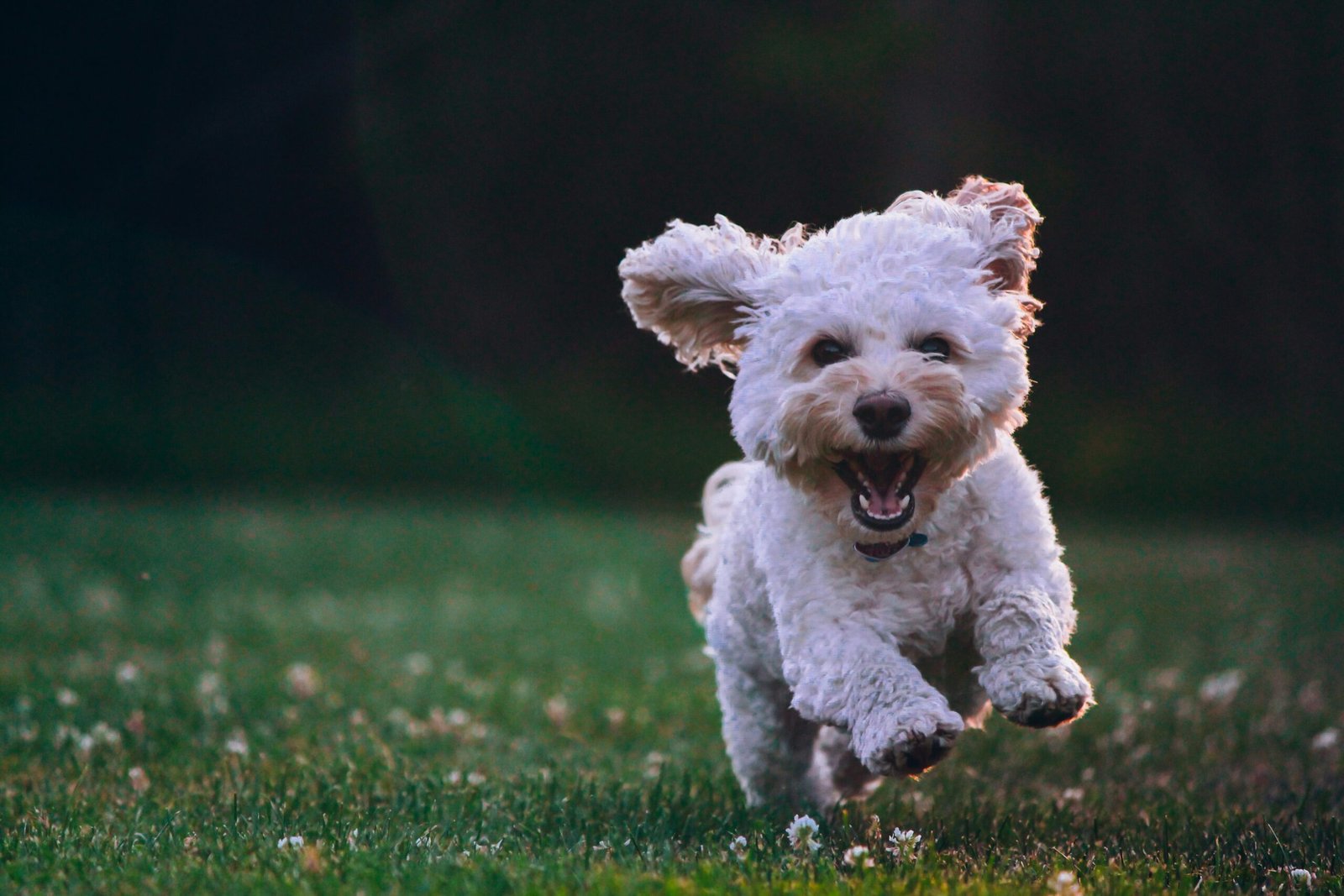
Bringing a dog home for the first time is one of those moments that feels enormous. One minute you’re browsing rescue websites or chatting to a breeder, and the next you’ve got a warm, wriggling bundle of fur looking up at you as if to say, “Right, what now?”
If you’re feeling a bit overwhelmed, you’re in good company. Nearly every dog owner remembers that slightly panicked first week — the 3am toilet trips, the chewed slipper, the endless Googling of “is it normal for puppies to sleep this much?” (yes, it is).
This guide is here to take the guesswork out of it. We’ve put together a genuinely complete dog care guide for beginners, covering everything from setting up your home before your dog arrives, to feeding, grooming, exercise, training, health checks, and what to do in a genuine emergency.
Whether you’ve adopted a rescue dog, bought a puppy, or you’re a lifelong cat person suddenly finding yourself responsible for a Labrador, this article is written to be the only resource you need to get started with confidence.
Quick Answer
Good dog care means meeting five core needs every single day: a balanced diet suited to your dog’s age and size, fresh water, daily exercise appropriate to their breed and life stage, regular grooming and health checks, and mental stimulation through training and play. Alongside this, every dog needs routine vet care, including vaccinations, parasite prevention, and prompt attention if they seem unwell. Consistency and patience — especially in the first few months — matter more than getting everything perfect.
- Why Proper Dog Care Matters
- Preparing Your Home Before Bringing a Dog Home
- Essential Supplies Every Dog Needs
- Feeding Your Dog
- Daily Dog Care Routine
- Grooming Guide
- Exercise Requirements
- Basic Dog Training
- Dog Health Checklist
- Common Mistakes First-Time Owners Make
- Dog Care Checklist (Printable)
- Emergency Situations
- Frequently Asked Questions
- Conclusion
Why Proper Dog Care Matters
It’s tempting to think dog care is mostly common sense — feed them, walk them, love them, job done. In reality, there’s a lot more nuance to it, and getting the basics right early on shapes your dog’s health and behaviour for years to come.
Dogs who receive consistent, informed care tend to live longer, healthier lives. They’re less likely to develop obesity, dental disease, or anxiety-related behaviour problems. They’re also far easier to live with, because good care isn’t just physical — it includes the training and routine that helps a dog feel secure in their new home.
There’s a welfare angle too. Organisations such as the RSPCA describe five welfare needs that every pet owner is legally and ethically responsible for: a suitable environment, a proper diet, the ability to exhibit normal behaviour, appropriate company, and protection from pain, suffering, injury and disease. Think of this article as a practical, day-to-day expansion of those five needs.
Finally, proper care matters because it prevents small problems from becoming big ones. A dog whose nails are trimmed regularly won’t develop joint pain from an abnormal gait. A puppy who’s socialised properly is far less likely to become a reactive, anxious adult dog. Good habits formed now save you money, heartache, and vet bills later.
Internal link suggestion: link to a future PetStoryDaily article “Understanding the Five Welfare Needs of Dogs.”
Preparing Your Home Before Bringing a Dog Home
Preparation makes the first few weeks dramatically smoother. Do this before your dog arrives, not after.
Puppy-Proof or Dog-Proof Every Room
Dogs, especially puppies, explore the world with their mouths. Walk through your home at your dog’s eye level and remove or secure:
- Loose wires and phone chargers
- Household chemicals and cleaning products
- Medications, vitamins, and supplements
- Small objects that could be swallowed (socks, children’s toys, coins)
- Toxic houseplants (lilies, sago palm, and philodendron are common culprits)
- Rubbish bins with food waste
- Loose rugs that could be chewed or cause slips
Set Up a Safe Space
Choose a quiet area of the house — a corner of the kitchen or utility room often works well — for your dog’s bed, crate, and water bowl. This becomes their retreat when things feel overwhelming, which happens more often than you’d expect in the first few weeks.
Secure the Garden
Check fences for gaps a puppy could squeeze through, remove toxic plants, and store garden chemicals like slug pellets and antifreeze well out of reach. Antifreeze in particular is highly toxic to dogs and, worryingly, has a taste many dogs find appealing.
Plan the Household Rules in Advance
Before your dog arrives, agree with everyone in the house on the boundaries: Is the dog allowed on the sofa? Which rooms are off-limits? Who’s feeding them and when? Dogs thrive on consistency, and mixed messages in week one create confusion that’s harder to undo later.
Book Time Off if You Can
If your schedule allows it, try to be around for the first few days, particularly with a puppy. This settling-in period is when house training, sleep patterns, and your dog’s confidence in the new environment are established.
Internal link suggestion: link to a future article “How to Puppy-Proof Your Home: Room-by-Room Checklist.”
Essential Supplies Every Dog Needs
You don’t need to buy the entire pet shop, but there are some genuine essentials worth getting right before your dog comes home.
Food and Water Bowls
Choose sturdy, non-slip bowls in stainless steel or ceramic rather than plastic, which can harbour bacteria and sometimes triggers chin acne in dogs. Non-tip designs are worth it for enthusiastic eaters.
A Comfortable Dog Bed
Your dog needs somewhere they can fully stretch out and somewhere that feels like theirs. Washable covers are a practical must, because accidents and muddy paws are simply part of dog ownership.
Lead, Collar, and Harness
A flat collar with an ID tag should be worn at all times. For walking, many trainers now recommend a well-fitted harness over a collar, particularly for small breeds or dogs prone to pulling, since it reduces strain on the neck and trachea. A sturdy 1.2–1.8 metre lead is ideal for everyday walks.
ID Tag and Microchipping
In the UK, it’s a legal requirement for dogs to be microchipped and to wear a collar tag with the owner’s name and address when in public. Don’t skip this — it’s the single biggest factor in reuniting lost dogs with their owners.
A Crate
Even if you don’t plan to crate train long-term, a crate is invaluable for safe travel, vet visits, and giving your dog a den-like space of their own. Size it so your dog can stand, turn around, and lie down comfortably.
Toys
A mix of chew toys, puzzle feeders, and soft toys keeps your dog mentally engaged and helps redirect natural chewing behaviour away from your furniture.
Grooming Tools: Brushes and Nail Clippers
The right brush depends on coat type — a slicker brush for long or curly coats, a bristle brush for short coats, and an undercoat rake for double-coated breeds. Guillotine or scissor-style nail clippers, plus styptic powder for accidental quicking, are worth having from day one.
Poop Bags
Simple, but essential — and a legal requirement to pick up after your dog in public spaces in the UK.
First Aid Kit
A basic kit should include gauze, non-stick bandages, saline solution, tweezers, a digital thermometer, and your vet’s emergency number saved somewhere visible.
Cleaning Supplies
An enzymatic cleaner designed for pet stains and odours will be your best friend during house training. Regular household cleaners often don’t fully neutralise the scent, which can encourage repeat accidents in the same spot.
Suggested supplies table:
| Category | Item | Why it matters |
|---|---|---|
| Feeding | Food & water bowls | Hygiene and portion control |
| Comfort | Dog bed | Rest and security |
| Walking | Lead, collar, harness | Safety and control |
| Safety | ID tag | Legal requirement, lost dog recovery |
| Containment | Crate | Safe space, travel, training |
| Enrichment | Toys | Mental stimulation, chew redirection |
| Grooming | Brush, nail clippers | Coat and paw health |
| Hygiene | Poop bags | Legal requirement, cleanliness |
| Safety | First aid kit | Minor injuries, emergencies |
| Hygiene | Enzymatic cleaner | Effective accident clean-up |
Internal link suggestion: link to a future article “Best Dog Beds for Every Budget: A Buyer’s Guide.”
Feeding Your Dog
Nutrition is one of the areas where beginners most often feel lost, and it’s genuinely one of the most important parts of dog care.
Choosing the Right Food
Look for a complete and balanced commercial dog food appropriate for your dog’s life stage — puppy, adult, or senior — and size category. Reputable brands will state they meet recognised nutritional standards on the packaging. If you’re considering raw feeding or a homemade diet, speak to your vet first, as these require careful balancing to avoid nutritional deficiencies.
Portion Sizes
Portion size depends on your dog’s weight, age, activity level, and the specific food’s calorie density, so always start with the feeding guide on the packaging and adjust based on your dog’s body condition. A simple check: you should be able to feel your dog’s ribs with light pressure, without them being visibly prominent.
Feeding Schedule
- Puppies (8–12 weeks): 4 meals a day
- Puppies (3–6 months): 3 meals a day
- Puppies (6–12 months): 2 meals a day
- Adult dogs: 2 meals a day is generally recommended over one large meal, which can help reduce the risk of bloat in deep-chested breeds
- Senior dogs: 2 smaller meals, adjusted for reduced activity and any health conditions
Treats
Treats are a great training tool, but they add up calorically fast. As a rule of thumb, treats shouldn’t make up more than 10% of your dog’s daily calorie intake. Consider using part of their regular kibble ration as training treats to avoid overfeeding.
Foods to Avoid
Some everyday human foods are genuinely dangerous for dogs:
- Chocolate (especially dark chocolate)
- Grapes and raisins
- Onions, garlic, and chives
- Xylitol (found in sugar-free gum and some peanut butters)
- Alcohol
- Cooked bones, which can splinter
- Macadamia nuts
- Avocado
If your dog eats any of these, contact your vet or an emergency vet line immediately rather than waiting to see if symptoms develop.
Water
Fresh, clean water should be available at all times. Wash bowls daily, and keep an eye on water intake — a sudden increase or decrease can be an early sign of illness worth mentioning to your vet.
External reference suggestion: link to PDSA’s pet feeding advice pages for breed-specific portion guidance.
Internal link suggestion: link to a future article “How Much Should I Feed My Dog? A Weight-Based Guide.”
Daily Dog Care Routine
One of the most common questions from new owners is simply: what does a normal day actually look like? Here’s a realistic daily dog care routine you can adapt to your own schedule.
Morning
Start with a toilet break as soon as your dog wakes up — puppies especially can’t hold on for long overnight. Follow this with breakfast, then a walk if time allows. A short walk before work sets a calmer tone for the day and helps prevent boredom-driven mischief while you’re out.
Afternoon
If you’re out at work, a midday check-in — whether that’s you, a dog walker, or a trusted neighbour — helps break up the day, particularly for puppies who need more frequent toilet breaks. Leaving food puzzles or a stuffed chew toy can keep an adult dog occupied and mentally satisfied during this stretch.
Evening
This is usually the main event: a proper walk or play session, dinner, and some training or bonding time. Evenings are a great opportunity for short, five-to-ten-minute training sessions, since your dog is often more settled and food-motivated before their meal.
Night
A final toilet break just before bed reduces the chance of overnight accidents. Settle your dog into their sleeping area with access to water, and try to keep the routine consistent — dogs, particularly puppies, sleep better with predictability.
Sample daily routine table:
| Time | Activity |
|---|---|
| 7:00am | Toilet break, breakfast |
| 7:30am | Morning walk |
| 12:00pm | Toilet break, food puzzle or short play |
| 5:30pm | Evening walk or play session |
| 6:30pm | Dinner |
| 8:00pm | Training or bonding time |
| 10:00pm | Final toilet break, bedtime |
Naturally, this shifts depending on your dog’s age, breed, and your own working hours — but having a rough structure like this gives your dog the predictability they thrive on.
Internal link suggestion: link to a future article “Sample Daily Schedules for Working Dog Owners.”
Grooming Guide
Grooming isn’t just about keeping your dog looking smart — it’s a genuine health necessity, and it’s also a good opportunity to check for lumps, parasites, or skin issues early.
Bathing
Most dogs only need bathing every 4–8 weeks, unless they’ve rolled in something unspeakable (and they will). Over-bathing can strip natural oils from the skin and cause dryness or irritation. Always use a shampoo formulated specifically for dogs, since human shampoo has the wrong pH balance for canine skin.
Brushing
Brushing frequency depends on coat type:
- Short-haired breeds: once a week
- Medium-length coats: 2–3 times a week
- Long or double coats: daily, especially during seasonal shedding
Regular brushing prevents matting, reduces shedding around the house, and distributes natural skin oils along the coat.
Nail Trimming
Overly long nails can alter a dog’s gait and cause discomfort. As a general guide, if you can hear nails clicking on hard flooring, they’re due a trim. Go slowly, trim small amounts at a time, and avoid the quick — the pink, sensitive area inside the nail. If you’re nervous about doing this yourself, a groomer or vet nurse can show you the technique.
Ear Cleaning
Check ears weekly for redness, odour, or excessive wax, which can indicate an infection. Clean with a vet-approved ear cleaner on a cotton pad — never insert cotton buds into the ear canal. Breeds with floppy ears, like Cocker Spaniels, are more prone to ear infections due to reduced airflow.
Dental Care
Dental disease is one of the most under-addressed areas of dog health. Aim to brush your dog’s teeth several times a week using a dog-specific toothpaste (never human toothpaste, which often contains xylitol). Dental chews and appropriate chew toys can help, but they don’t replace brushing entirely.
External reference suggestion: link to WSAVA’s global nutrition and grooming guidelines.
Internal link suggestion: link to a future article “How to Trim Your Dog’s Nails Safely: Step-by-Step.”
Exercise Requirements
Exercise needs vary hugely by age, breed, and health, so there’s no single number that fits every dog.
Puppies
Puppies need far less structured exercise than people assume, and too much can damage developing joints. A common guideline is around five minutes of exercise per month of age, twice a day, until they’re fully grown. Free play in a secure garden is generally safer than long, forced walks at this stage.
Adult Dogs
Most adult dogs need between 30 minutes and 2 hours of exercise a day, depending on breed. A Greyhound and a Border Collie have wildly different energy levels, so research your specific breed’s typical needs, or ask your vet for guidance based on your dog’s individual health.
Senior Dogs
Older dogs still need regular movement to maintain joint mobility and a healthy weight, but sessions should be shorter and gentler, with more frequent breaks. Watch for signs of stiffness or reluctance, which can indicate arthritis worth discussing with your vet.
Indoor Activities
On days when weather or health limits outdoor exercise, indoor options include:
- Puzzle feeders and snuffle mats
- Hide-and-seek with treats
- Short training sessions
- Tug and fetch in a hallway or large room
Outdoor Activities
Beyond regular walks, consider:
- Off-lead time in secure, dog-friendly spaces
- Swimming, which is excellent low-impact exercise for many breeds
- Scent work or tracking games in the garden
- Structured play with other well-matched dogs
Internal link suggestion: link to a future article “How Much Exercise Does My Dog Really Need? A Breed-by-Breed Guide.”
Basic Dog Training
Training isn’t about producing a show dog — it’s about building a shared language between you and your dog, and keeping them safe.
Positive Reinforcement
Reward-based training, where you reinforce behaviours you want with treats, praise, or play, is widely recommended by modern veterinary behaviourists over punishment-based methods, which can increase fear and anxiety without reliably improving behaviour. Keep training sessions short — five to ten minutes — and always end on a success.
Sit
Hold a treat just above your dog’s nose and slowly move it back over their head. As their head tilts up, their bottom naturally lowers. The moment they sit, mark the behaviour with a word like “yes” and reward.
Stay
Once your dog reliably sits, ask them to stay, take a single step back, and reward if they hold position. Gradually increase distance and duration over multiple short sessions rather than rushing it in one go.
Come
Practise recall in a low-distraction environment first, using an excited tone and a high-value treat. Never call your dog to you for something unpleasant, like ending playtime or bath time, or they’ll learn to associate the cue with something negative.
Leave It
Place a treat in a closed fist. Let your dog sniff and paw at it, and the instant they back off or lose interest, reward from your other hand. This teaches self-control without confrontation.
Toilet Training
Take your puppy out first thing in the morning, after meals, after naps, and after play — these are the moments accidents are most likely. Reward immediately after they go in the right spot, and if you catch an accident happening indoors, calmly interrupt and move them outside rather than scolding, which tends to teach dogs to hide rather than to toilet outside.
Internal link suggestion: link to a future article “Puppy Toilet Training: A Week-by-Week Timeline.”
External reference suggestion: link to AVMA’s resources on positive reinforcement training methods.
Dog Health Checklist
Preventative care is far cheaper, and far kinder, than treating problems once they’ve developed.
Vaccinations
Puppies typically start their primary vaccination course from around 6–8 weeks, with follow-up boosters a few weeks later, followed by annual or triennial boosters depending on the vaccine and your vet’s recommendation. Never assume a rescue or previously owned dog is fully vaccinated — always ask for documentation or start fresh under vet guidance.
Parasite Prevention
Regular flea, tick, and worming treatment should be part of your routine year-round, not just in summer. Speak to your vet about a schedule suited to your dog’s age, weight, and lifestyle, particularly if they’re a frequent swimmer or spend a lot of time in woodland.
Vet Visits
Beyond vaccinations, adult dogs generally benefit from an annual health check, while senior dogs (typically seven years and older, though this varies by breed) often benefit from six-monthly check-ups to catch age-related issues early.
Dental Health
As mentioned in the grooming section, dental disease is extremely common in dogs over three years old. Ask your vet to check your dog’s teeth at every visit, and don’t ignore bad breath — it’s often the first sign of a problem.
Weight Management
Obesity is one of the most common preventable health issues in dogs, contributing to joint problems, diabetes, and reduced lifespan. Regular weigh-ins, portion control, and resisting those pleading eyes at the dinner table all help keep your dog at a healthy weight.
Signs of Illness
Contact your vet if you notice:
- Loss of appetite lasting more than a day
- Vomiting or diarrhoea, especially if repeated or bloody
- Lethargy or reluctance to move
- Excessive thirst or urination
- Sudden weight loss or gain
- Limping or visible pain
- Changes in breathing
Trust your instincts here. You know your dog’s normal behaviour better than anyone, and a change that feels “off” is worth a phone call, even if it turns out to be nothing.
External reference suggestion: link to PDSA’s vaccination and preventative healthcare guidance, and RSPCA’s advice on recognising illness in dogs.
Internal link suggestion: link to a future article “First-Year Vet Visit Timeline: What to Expect.”
Common Mistakes First-Time Owners Make
| Mistake | Why It’s Harmful | Correct Approach |
|---|---|---|
| Overfeeding treats | Leads to obesity and can unbalance a complete diet | Keep treats to under 10% of daily calories; use kibble as training rewards |
| Skipping socialisation | Increases risk of fear and reactivity in adulthood | Expose puppies to varied, positive experiences during the socialisation window (roughly 3–14 weeks) |
| Punishing accidents | Teaches dogs to hide rather than stop the behaviour | Reward correct toilet behaviour and manage supervision instead |
| Inconsistent rules | Confuses the dog about acceptable behaviour | Agree household rules with everyone before the dog arrives |
| Over-exercising puppies | Can damage growing joints and cause long-term issues | Follow age-appropriate exercise guidelines |
| Ignoring dental care | Leads to painful dental disease and costly treatment | Brush teeth regularly from a young age |
| Delaying vet visits | Minor issues can become serious and expensive | Book an annual check-up and act promptly on symptoms |
| Using human food as a staple | Many human foods are toxic or nutritionally unbalanced | Stick to a complete dog food, with vet-approved treats only |
| Skipping ID and microchipping | Makes it far harder to recover a lost dog | Microchip and fit an ID tag before the dog goes outside |
| Assuming all dogs need the same routine | Every breed and individual has different needs | Research your specific dog’s breed traits and adjust care accordingly |
Dog Care Checklist (Printable)
Feel free to screenshot or print this section and stick it on the fridge.
Daily
- Fresh water available
- Meals given at consistent times
- At least one proper walk or play session
- Toilet breaks (more frequent for puppies)
- Some form of mental stimulation or training
Weekly
- Brush coat (more often for long/double coats)
- Check ears for redness or odour
- Check nails for length
- Wash bedding and bowls thoroughly
Monthly
- Apply flea and worming treatment (as advised by your vet)
- Weigh your dog or check body condition
- Check first aid kit supplies
Ongoing / As Needed
- Book annual (or six-monthly for seniors) vet check-ups
- Keep vaccinations up to date
- Brush teeth several times a week
- Bathe every 4–8 weeks or as needed
- Renew pet insurance and update microchip details if you move house
Emergency Situations
Knowing what to do in the first few minutes of an emergency can genuinely make a difference. That said, this section is not a substitute for immediate professional care — always contact a vet as well.
Dog Choking
Look inside the mouth for a visible object and carefully remove it if you can do so without pushing it further in. If your dog collapses, a modified Heimlich manoeuvre can be used, but this is best learned in advance through a pet first aid course. Get to an emergency vet immediately regardless of the outcome.
Heatstroke
Signs include heavy panting, drooling, weakness, and collapse. Move your dog to a cool, shaded area, offer small amounts of water, and cool them gradually with room-temperature (not ice-cold) water on the body, especially the paws and belly. Ice-cold water can worsen shock by causing blood vessels to constrict. Head straight to a vet, as heatstroke can be fatal even after initial cooling.
Poisoning
If you suspect your dog has eaten something toxic, contact your vet or an animal poison helpline immediately. Try to identify what and how much was consumed, and don’t induce vomiting unless specifically instructed by a professional, as some substances cause more damage coming back up.
Cuts
For minor cuts, clean gently with saline solution and apply light pressure with a clean cloth to stop bleeding. Deep wounds, heavy bleeding, or cuts near the eyes need immediate vet attention.
Broken Nails
A torn or broken nail can bleed heavily and is painful. Apply styptic powder or, in a pinch, cornflour to stop the bleeding, and keep your dog calm and still. If the nail is bent at an odd angle or the bleeding won’t stop, see a vet.
When to Visit an Emergency Vet
Go straight to an emergency vet if your dog experiences:
- Difficulty breathing
- Collapse or loss of consciousness
- Suspected poisoning
- Severe or uncontrolled bleeding
- A swollen, hard abdomen (a possible sign of bloat, particularly in deep-chested breeds)
- Seizures
- Suspected broken bones
- Repeated vomiting or inability to keep water down
Save your local emergency vet’s number in your phone now, before you need it.
External reference suggestion: link to RSPCA’s pet first aid guidance and AVMA’s emergency care resources.
Frequently Asked Questions
1. How often should I feed my dog? Most adult dogs do well on two meals a day, while puppies need more frequent, smaller meals — up to four times a day in the earliest weeks, tapering down as they grow.
2. How much exercise does a puppy need? A common guideline is around five minutes of exercise per month of age, twice daily, until they’re fully grown, to avoid stressing developing joints.
3. What human foods are toxic to dogs? Chocolate, grapes and raisins, onions and garlic, xylitol, alcohol, and macadamia nuts are among the most dangerous, and even small amounts can cause serious harm.
4. How do I house train a puppy quickly? Take them out first thing in the morning, after meals, after naps, and after play, and reward them immediately when they toilet in the right spot. Consistency matters more than speed.
5. How often should I bathe my dog? Roughly every four to eight weeks for most dogs, unless they get particularly messy, since over-bathing can dry out their skin.
6. When should I start training my puppy? You can start basic training, including sit and name recognition, from as young as eight weeks old, using short, positive sessions.
7. How do I know if my dog is a healthy weight? You should be able to feel their ribs with light pressure without them being visibly prominent, and they should have a visible waist when viewed from above.
8. How often does my dog need vaccinations? Puppies need a primary course starting around 6–8 weeks, followed by boosters, then annual or triennial boosters as advised by your vet depending on the vaccine type.
9. What’s the difference between a collar and a harness for walking? A harness distributes pressure across the chest and shoulders rather than the neck, making it a gentler option for dogs who pull or have sensitive tracheas.
10. How do I stop my puppy from biting? Redirect biting onto appropriate chew toys, and calmly withdraw attention for a moment when teeth touch skin, so your puppy learns that biting ends the fun.
11. Is pet insurance worth it for a new dog? Given how quickly emergency vet bills can add up, many owners find insurance genuinely worthwhile for peace of mind, though it’s a personal financial decision worth researching before you commit to a policy.
12. How do I introduce a new dog to my other pets? Introductions should be slow, supervised, and take place on neutral territory where possible, with plenty of positive reinforcement for calm behaviour on both sides.
13. What’s the best way to clip my dog’s nails safely? Trim small amounts at a time, avoid the quick, and have styptic powder on hand. If you’re unsure, ask a vet nurse or groomer to demonstrate first.
14. How much should I feed my puppy? Follow the feeding guide on your specific puppy food’s packaging based on their current weight, and adjust as they grow, checking in with your vet at each check-up.
15. When should I take my dog to the vet immediately? Seek emergency care for difficulty breathing, collapse, suspected poisoning, severe bleeding, a swollen abdomen, seizures, or repeated vomiting.
Conclusion
There’s a lot packed into this guide, and that’s rather the point — dog care touches almost every part of daily life, from what’s in the food bowl to how you spend your evenings. But you don’t need to master everything overnight.
Start with the basics: consistent feeding, regular exercise, a safe home environment, and a good relationship with your vet. Everything else, from nail trimming confidence to a rock-solid recall, builds naturally with time and practice.
Every dog is different, and there will be trial and error along the way — that’s completely normal, even for experienced owners. What matters most is that you’re paying attention, adjusting as you learn your dog’s individual needs, and reaching out to a vet whenever something feels uncertain.
You’ve already taken the first step by looking for reliable guidance. Your dog is lucky to have an owner willing to do the reading.
Disclaimer: This article is for general educational purposes only and does not constitute professional veterinary advice. Always consult a qualified veterinarian for guidance specific to your dog’s individual health, breed, and circumstances, particularly in the case of illness, injury, or emergency.