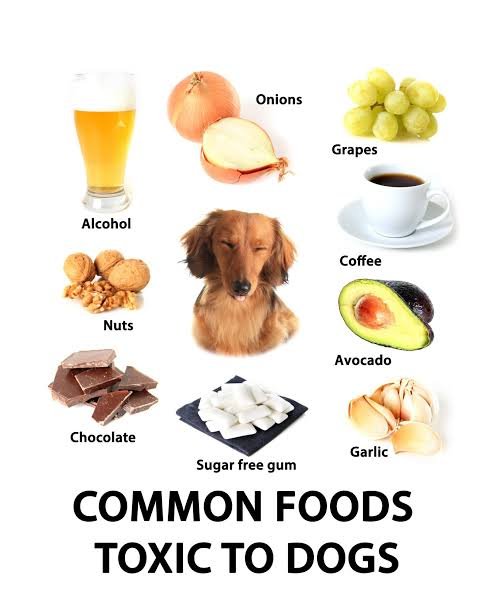
Toxic Foods for Pets (2026): 100+ Foods Dogs, Cats & Small Pets Should Never Eat
- Metabolic Differences Are Critical: Pets digest and metabolise chemical compounds very differently from humans. Foods that are safe or healthy for us—such as grapes, onions, macadamia nuts, or avocado—can cause fatal kidney, liver, or cardiac failure in animals.
- Xylitol / Birch Sugar Is an Immediate Threat: Found in sugar-free gum, peanut butters, baked goods, and medications, xylitol causes massive insulin spikes and acute liver failure in dogs, even in tiny doses.
- Species Toxicity Varies Greatly: While garlic and onions are dangerous to dogs, they are up to five times more toxic to cats. Similarly, avocado can be deadly to birds, while rabbits can suffer intestinal blockage from ingestion of seeds or human grains.
- Hidden Ingredients Are Common: Seasoning powders, onion salt, raisin pastes, alcohol in raw doughs, and artificial sweeteners are frequently hidden in processed human foods, leftovers, and holiday treats.
- Professional Guidance Is Essential: Toxicity depends on your pet’s weight, the exact dose ingested, and individual health factors. Always rely on trained veterinary professionals rather than online search forums during an emergency.
- Why Some Human Foods Are Dangerous for Pets
- The Most Dangerous Foods for Dogs
- The Most Dangerous Foods for Cats
- Foods Dangerous for Rabbits
- Foods Dangerous for Birds
- Foods Dangerous for Hamsters
- Foods Dangerous for Fish
- The 100+ Toxic Foods Master Table
- Safe Food Alternatives for Pets
- Recognising Common Poisoning Symptoms
- Step-by-Step Emergency Action Plan
- How to Pet-Proof Your Kitchen
- Navigating Holiday Food Dangers
- Common Myths About Pet Poisoning
- Common Owner Mistakes to Avoid
- Printable Pet Safety Checklists
- Frequently Asked Questions
- Conclusion
Why Some Human Foods Are Dangerous for Pets
It can be tempting to share a snack from your plate with a begging pet. However, canine, feline, avian, and small animal metabolisms evolved along completely different biological paths than human physiology. A chemical compound that our liver processes without issue can prove highly toxic to a pet.
  +-------------------------------------------------------------------+
  |               MECHANISMS OF PET FOOD TOXICITY                     |
  +-------------------------------------------------------------------+
  |  1. Enzyme Deficiencies   : Lack of liver enzymes (e.g. glucuronidase)|
  |  2. Organ Specificity     : Direct tubular necrosis in kidneys    |
  |  3. Rapid Absorption      : Massive hypoglycaemic insulin spikes  |
  |  4. Oxidative Damage      : Heinz body formation in red blood cells|
  |  5. Dose-to-Weight Ratio  : Small body mass accelerates toxic threshold|
  +-------------------------------------------------------------------+
1. Metabolic Deficiencies
Animals lack specific hepatic (liver) enzymes required to break down natural plant compounds, alkaloids, and synthetic chemicals.
For instance, cats lack key glucuronidating enzymes, making them exceptionally vulnerable to toxins like essential oils, human medications, and compounds in the Allium family (garlic and onions).
2. Body Size and Relative Dose
Dose relative to body weight is a critical factor in toxicity.
A single dark chocolate bar or a small box of raisins contains a chemical dose that a 70 kg human metabolises easily. However, in a 3 kg Chihuahua or a 4 kg cat, that exact same quantity delivers a concentrated dose that can overwhelm the cardiovascular or renal systems.
  +-------------------------------------------------------------------+
  |               BODY WEIGHT VS TOXICITY DOSE RATIO                  |
  +-------------------------------------------------------------------+
  |  Human (70 kg)      : [||||||||||||||||||||] Low relative impact  |
  |  Medium Dog (15 kg) : [||||||||||] Moderate to high impact        |
  |  Toy Dog / Cat (3 kg): [|||] Severe / Potentially fatal impact     |
  +-------------------------------------------------------------------+
3. Species Differences
- Cats (Obligate Carnivores): Extremely sensitive to plant toxins, essential oils, and compounds causing oxidative destruction of red blood cells.
- Dogs (Adaptive Omnivores): Prone to rapid ingestion of large quantities, making them highly susceptible to acute liver damage, pancreatic inflammation, and renal failure.
- Rabbits & Rodents (Hindgut Fermenters): Highly sensitive to dietary disruptions. High-sugar or high-starch foods can cause severe bacterial imbalance, gut stasis, and death.
- Birds (Avian Respiratory & Metabolic System): Extremely vulnerable to air-borne vapors, avocado (persin), and high salt levels that cause fluid imbalance around the heart.
4. Hidden Ingredients in Human Food
Modern processed foods contain complex combinations of ingredients. A harmless piece of turkey might be seasoned with garlic powder, coated in onion salt, or cooked in rich, fatty gravies that can trigger severe acute pancreatitis.
📌 Expert Advice Box
Veterinary toxicologists emphasize that toxicity is not always predictable based on size alone. For example, grape and raisin toxicity in dogs is idiosyncratic—meaning some dogs suffer fatal acute kidney failure from just a couple of raisins, while others show mild signs. Because there is no known safe threshold, any intake must be treated as a medical emergency.
The Most Dangerous Foods for Dogs
1. Chocolate (Theobromine & Caffeine)
- Why It Is Dangerous: Chocolate contains methylxanthines—specifically theobromine and caffeine. Dogs metabolise theobromine very slowly. It acts as a central nervous system stimulant and diuretic, while also constricting blood vessels and increasing heart rate. Dark chocolate, cocoa powder, and cocoa mulch carry the highest concentration of theobromine, whereas milk chocolate poses a moderate risk.
- Possible Symptoms: Restlessness, panting, excessive thirst, vomiting, diarrhoea, abnormally rapid or irregular heart rate, muscle tremors, seizures, and cardiovascular collapse.
- Risk Level: Critical to High (depends on chocolate type and quantity ingested).
- What Owners Should Do: Calculate or estimate the amount and type of chocolate ingested, note your dog’s weight, and contact a veterinarian immediately.
- Emergency Care: Seek immediate emergency care if your dog consumed dark chocolate, baking cocoa, or large quantities of milk chocolate within the last several hours.
2. Xylitol / Birch Sugar (E967)
- Why It Is Dangerous: Xylitol is a natural sugar alcohol used as a sweetener in sugar-free chewing gum, peanut butters, baked goods, toothpaste, and vitamins. In dogs, xylitol causes a rapid, massive release of insulin from the pancreas. This results in severe, life-threatening hypoglycemia (low blood sugar) within 15 to 60 minutes. Higher doses can cause acute, irreversible liver necrosis.
- Possible Symptoms: Vomiting, sudden weakness, staggering, lethargy, collapse, pale gums, tremors, seizures, coma, and jaundice.
- Risk Level: Critical / Fatal.
- What Owners Should Do: Inspect product ingredient labels for “xylitol” or “birch sugar”. Contact an emergency veterinary clinic immediately.
- Emergency Care: Requires immediate emergency stabilization, intravenous dextrose infusions, and close liver support monitoring.
3. Grapes and Raisins (Tartaric Acid)
- Why It Is Dangerous: Grapes, raisins, sultanas, and currants contain tartaric acid and potassium bitartrate. In susceptible dogs, ingestion causes acute, rapid damage to the renal tubular cells, leading to acute kidney failure. Cooked raisins in baked goods (such as fruitcakes or bagels) are just as dangerous as raw fruit.
- Possible Symptoms: Early vomiting, diarrhoea, loss of appetite, lethargy, abdominal pain, decreased urine production (oliguria), or complete absence of urine output (anuria).
- Risk Level: Critical.
- What Owners Should Do: Contact an emergency vet right away, regardless of how few grapes or raisins were eaten.
- Emergency Care: Emergency care within 2 hours is vital to allow fluid therapy and protective treatment before permanent kidney damage occurs.
4. Onions, Garlic, Leeks & Chives (Allium Family)
- Why It Is Dangerous: All members of the Allium species contain sulfur compounds (thiosulphates and disulphides). These compounds cause oxidative damage to red blood cells, forming inclusions called “Heinz bodies.” This makes red blood cells fragile, causing them to rupture inside the bloodstream (hemolytic anemia). Dehydrated onion salt, garlic powder, and concentrated soups are especially hazardous.
- Possible Symptoms: Pale or yellowish gums, weakness, lethargy, elevated heart rate, panting, dark red or brown urine, vomiting, and collapse. Signs often develop 2 to 5 days after ingestion.
- Risk Level: High.
- What Owners Should Do: Prevent further access, check ingredients on human leftovers, and seek veterinary advice.
- Emergency Care: Seek veterinary care promptly if significant amounts, concentrated powders, or cooked meals containing garlic/onions were eaten.
5. Alcohol (Ethanol & Isopropanol)
- Why It Is Dangerous: A dog’s liver cannot process alcohol efficiently. Ethanol rapidly enters the bloodstream, causing central nervous system depression, severe metabolic acidosis, dangerously low body temperature (hypothermia), and respiratory depression. Alcohol can be ingested through alcoholic beverages, hand sanitizers, fermenting fallen fruits, or raw bread dough.
- Possible Symptoms: Disorientation, stumbling, excessive drooling, vomiting, low body temperature, slow or difficult breathing, seizures, and unconsciousness.
- Risk Level: High to Critical.
- What Owners Should Do: Keep all alcoholic drinks and sanitizers out of reach. Seek professional medical guidance right away.
- Emergency Care: Immediate emergency transport is required if a dog ingests spirits, wine, beer, or alcohol-containing sanitizers.
6. Coffee, Tea & Caffeine
- Why It Is Dangerous: Caffeine belongs to the same chemical class (methylxanthines) as theobromine. It stimulates the heart and central nervous system, causing elevated blood pressure, dangerous heart arrhythmias, and hyperactivity. Sources include coffee beans, coffee grounds, energy drinks, tea bags, and caffeine supplements.
- Possible Symptoms: Restlessness, rapid breathing, racing pulse, muscle twitching, vocalisation, high body temperature, seizures, and cardiac arrest.
- Risk Level: High.
- What Owners Should Do: Collect remaining packaging details and contact a vet immediately.
- Emergency Care: Immediate emergency evaluation is needed if coffee grounds, caffeine pills, or energy drinks were ingested.
7. Macadamia Nuts
- Why It Is Dangerous: The exact toxic mechanism in macadamia nuts remains under research, but ingestion affects the neuromuscular system in dogs. Even small quantities (as few as 2 to 3 nuts per kilogram of body weight) can cause clinical toxicity.
- Possible Symptoms: Weakness in the hind legs, inability to stand, muscle tremors, high fever (hyperthermia), vomiting, and joint pain.
- Risk Level: Moderate to High.
- What Owners Should Do: Keep the dog calm and quiet in a restricted area, remove access to the nuts, and call your vet.
- Emergency Care: Contact your vet for guidance. Most cases require supportive veterinary treatment and pain management.
8. Cooked Bones
- Why It Is Dangerous: While raw bones present structural and bacterial risks, cooking bones removes their natural moisture, making them brittle. Cooked chicken, turkey, pork, or beef bones easily splinter into sharp fragments when chewed. These splinters can puncture the esophagus, tear the stomach lining, or cause fatal bowel perforations and blockages.
- Possible Symptoms: Choking, gagging, excessive drooling, blood in saliva or stool, severe abdominal pain, painful straining to defecate, vomiting, and lethargy.
- Risk Level: High to Critical.
- What Owners Should Do: Monitor your dog closely and contact your vet immediately. Do not attempt to give bread or home remedies to “coat” the bone without professional advice.
- Emergency Care: Seek immediate emergency care if your dog is choking, gagging, in pain, or straining to pass stool after eating cooked bones.
9. Raw Bread Dough (Active Yeast)
- Why It Is Dangerous: Unbaked yeast dough poses a dual threat. First, the warm environment of the dog’s stomach causes the yeast to ferment, generating carbon dioxide gas that expands the stomach rapidly. This can lead to Gastric Dilatation-Volvulus (bloat). Second, the fermentation process produces ethanol, which is rapidly absorbed into the bloodstream, causing acute alcohol poisoning.
- Possible Symptoms: Distended, hard abdomen, unsuccessful attempts to vomit, retching, severe weakness, drunkenness, low body temperature, and collapse.
- Risk Level: Critical.
- What Owners Should Do: Seek immediate veterinary care. This is a life-threatening emergency.
- Emergency Care: Immediate emergency transport is necessary to relieve stomach gas and treat alcohol toxicity.
10. Avocado (Persin)
- Why It Is Dangerous: Avocado leaves, skin, and pit contain persin, a fungicidal toxin. While dogs are more resistant to persin toxicity than birds or horses, the rich, fatty flesh can trigger severe acute pancreatitis. Additionally, the large, smooth pit presents a high risk of esophageal or intestinal blockage.
- Possible Symptoms: Vomiting, diarrhoea, abdominal tenderness, distress, gagging, or inability to pass stool if the pit was swallowed.
- Risk Level: Moderate to High (Pit blockage is Critical).
- What Owners Should Do: Contact your vet immediately if the large avocado pit was swallowed whole.
- Emergency Care: Seek immediate emergency evaluation if your pet swallowed the pit or shows signs of abdominal pain and persistent vomiting.
11. Corn Cobs
- Why It Is Dangerous: While sweet corn kernels are generally safe, the inner fibrous cob is completely indigestible. Dogs often swallow large chunks or whole cobs. The cob can easily lodge in the small intestine, blocking the passage of food and cutting off blood flow to the intestinal tissue.
- Possible Symptoms: Repeated vomiting, inability to keep water down, severe abdominal pain, lethargy, refusal to eat, and absence of stool.
- Risk Level: Critical (Surgical emergency).
- What Owners Should Do: Contact your vet right away. Do not wait for symptoms to develop if you saw your dog swallow a cob.
- Emergency Care: Immediate emergency evaluation, imaging (X-rays/ultrasound), and potential surgery are usually required.
12. Mouldy Food (Tremorgenic Mycotoxins)
- Why It Is Dangerous: Mouldy food, compost bins, fallen rotting fruit, and spoiled cheese (like blue cheese) can contain fungal toxins known as tremorgenic mycotoxins (such as penitrem A and roquefortine C). These toxins act on the nervous system, triggering severe muscle tremors and uncontrollable seizures.
- Possible Symptoms: Fine muscle twitches, staggering, restlessness, excessive drooling, severe body tremors, high body temperature, seizures, and collapse.
- Risk Level: Critical.
- What Owners Should Do: Prevent access to the mouldy source and transport your pet to a vet immediately.
- Emergency Care: Immediate emergency stabilization, medication to control seizures, and active cooling measures are required.
13. High-Fat Trimmings & Bacon
- Why It Is Dangerous: Feeding concentrated animal fats, cooked bacon, skin from roast meats, or rich gravies delivers a sudden overload of lipids to the pancreas. This can trigger acute pancreatitis—a painful inflammation where digestive enzymes begin digesting the pancreas itself.
- Possible Symptoms: Severe upper abdominal pain, a “praying” posture (front legs down, rear end up), hunched posture, repeated vomiting, fever, and dehydration.
- Risk Level: High.
- What Owners Should Do: Withhold further fatty foods, offer fresh water, and seek veterinary advice.
- Emergency Care: Emergency care with pain management and intravenous fluids is needed if severe vomiting and pain occur.
14. Artificial Sweeteners (Aspartame, Sucralose, Saccharin)
- Why It Is Dangerous: While these specific sweeteners do not trigger the same rapid hypoglycemia as xylitol in dogs, they can cause significant gastrointestinal upset, bloat, and gas. Additionally, products containing these sweeteners often feature hidden xylitol or high cocoa levels.
- Possible Symptoms: Soft stools, watery diarrhoea, abdominal cramping, and gas.
- Risk Level: Low to Moderate.
- What Owners Should Do: Check packaging carefully to confirm xylitol is not present.
- Emergency Care: Consult a vet if digestive upset continues or if xylitol is listed on the packaging.
The Most Dangerous Foods for Cats
Cats are obligate carnivores with unique liver metabolic pathways. They lack specific liver enzymes needed to process many plant compounds, human medications, and chemicals, making them uniquely sensitive to toxins.
  +-------------------------------------------------------------------+
  |               CAT TOXICITY SENSITIVITY HIGHLIGHTS                 |
  +-------------------------------------------------------------------+
  |  1. Lilies (Lilium spp)  : EXTREME TOXICITY - Acute Kidney Failure|
  |  2. Allium Family        : 5x More Sensitive Than Dogs to Anemia |
  |  3. Glucuronidation      : Cannot efficiently metabolise chemicals |
  |  4. Low Thirst Drive     : Accelerates toxin concentration        |
  +-------------------------------------------------------------------+
1. Lilies (Lilium and Hemerocallis Species)
NOTE: While lilies are plants rather than food, they are included here due to their extreme, life-threatening toxicity to cats.
- Why It Is Dangerous: Every part of a true lily—including the petals, leaves, stem, pollen, and even the water in the vase—contains water-soluble toxins. Ingesting less than a single petal or licking pollen off their fur causes acute, rapid destruction of the cat’s kidney tissue.
- Possible Symptoms: Early vomiting, drooling, loss of appetite, lethargy, followed within 24–72 hours by complete kidney failure (disappearance of urine production, extreme dehydration, seizures, and collapse).
- Risk Level: Critical / Fatal.
- What Owners Should Do: Transport your cat to an emergency vet clinic immediately. Wash any visible pollen off their fur using plain warm water to prevent further grooming ingestion.
- Emergency Care: Immediate emergency care with aggressive intravenous fluid therapy is vital within the first 6 to 12 hours to save the cat’s life.
2. Onions, Garlic, Shallots & Chives (Allium Family)
- Why It Is Dangerous: Cats are up to five times more sensitive to Allium toxicity than dogs. Their red blood cells are particularly susceptible to oxidative damage caused by thiosulphates. Concentrated garlic powder, onion soups, baby foods containing onion powder, or cooked dishes can cause severe Heinz body anemia.
- Possible Symptoms: Pale, white, or yellowish gums, weakness, collapse, elevated heart rate, rapid breathing, and dark brown or red urine.
- Risk Level: Critical.
- What Owners Should Do: Contact your vet immediately if your cat ingests foods containing garlic or onion powders.
- Emergency Care: Seek emergency evaluation if pale gums, weakness, or rapid breathing develop.
3. Chocolate & Cocoa
- Why It Is Dangerous: Like dogs, cats cannot metabolise theobromine or caffeine. While cats are generally less likely to eat chocolate due to their inability to taste sweet flavours, curious cats may ingest milk chocolate, dark chocolate, or cocoa-based drinks, leading to serious heart and nervous system issues.
- Possible Symptoms: Restlessness, excessive thirst, vomiting, diarrhoea, elevated heart rate, muscle tremors, and seizures.
- Risk Level: High to Critical.
- What Owners Should Do: Contact your vet right away with details on the type and amount of chocolate ingested.
- Emergency Care: Immediate emergency evaluation is required if dark chocolate or cocoa products were consumed.
4. Alcohol & Raw Yeast Dough
- Why It Is Dangerous: Due to their small body mass, even a tiny amount of alcohol or fermenting yeast dough can cause severe ethanol poisoning in cats. This leads to severe metabolic acidosis, rapid drops in body temperature, and respiratory arrest.
- Possible Symptoms: Disorientation, stumbling, drooling, low body temperature, slow breathing, seizures, and coma.
- Risk Level: Critical.
- What Owners Should Do: Keep raw bread dough, sanitizers, and drinks completely away from cats.
- Emergency Care: Immediate emergency medical stabilization is required.
5. Caffeine & Tea Products
- Why It Is Dangerous: Cats are small and sensitive to stimulants. Licking up coffee grounds, green tea extracts, energy drinks, or caffeine pills can trigger severe cardiovascular overstimulation.
- Possible Symptoms: Hyperactivity, agitation, racing heart rate, muscle twitches, hyperthermia, and seizures.
- Risk Level: High.
- What Owners Should Do: Prevent access and call your veterinarian immediately.
- Emergency Care: Emergency care is needed if caffeine concentrates or coffee grounds were consumed.
6. Human Medications (Paracetamol / Acetaminophen)
- Why It Is Dangerous: Human pain relievers like paracetamol (acetaminophen) are extremely toxic to cats. Cats lack the necessary liver enzymes to break down this drug. A single tablet causes severe oxidative damage to red blood cells (preventing oxygen delivery) and acute liver failure.
- Possible Symptoms: Swollen face and paws, dark brown gums, muddy-brown blood, extreme difficulty breathing, vomiting, hypothermia, and death.
- Risk Level: Critical / Fatal.
- What Owners Should Do: Never give human medications to a cat. Transport your cat to an emergency clinic immediately if ingestion occurs.
- Emergency Care: Immediate emergency administration of specialized antidotes (such as N-acetylcysteine) and oxygen therapy is essential.
7. Xylitol / Birch Sugar
- Why It Is Dangerous: While xylitol does not cause the same rapid insulin spike in cats as it does in dogs, products containing xylitol often include other hazardous ingredients (such as chocolate or artificial flavorings). To remain safe, keep all products containing xylitol strictly out of reach of cats.
- Possible Symptoms: Digestive upset, vomiting, and lethargy.
- Risk Level: Moderate (as a general household hazard).
- What Owners Should Do: Keep sugar-free goods securely stored away.
- Emergency Care: Consult your vet if your cat ingests products sweetened with xylitol.
Foods Dangerous for Rabbits
Rabbits are hindgut fermenters with delicate digestive systems that depend on a continuous flow of long-strand fiber (grass hay) to keep their cecum functioning properly. High-sugar, high-starch, or toxin-laden foods disrupt their natural gut flora, leading to fatal cecal dysbiosis and gastrointestinal stasis.
  +-------------------------------------------------------------------+
  |               HAZARDOUS FOOD CATEGORIES FOR RABBITS               |
  +-------------------------------------------------------------------+
  |  1. Muesli Style Mixes : Selective eating causes dental/gut chaos |
  |  2. High Starch/Sugar  : Bread, pasta, human biscuits             |
  |  3. High Calcium Greens: Alfalfa hay, spinach (causes bladder stones)|
  |  4. Allium & Avocado   : Hemolytic anemia & cardiac Persin toxicity|
  +-------------------------------------------------------------------+
Critical Foods to Avoid for Rabbits
- Muesli-Style Commercial Mixes: Encourages selective eating, leading to severe dental disease and life-threatening gut stasis.
- Bread, Pasta, Biscuits & Crackers: Rich in simple carbohydrates that trigger rapid overgrowth of harmful Clostridium bacteria in the cecum.
- Fruit Seeds and Pips (Apples, Pears, Plums): Contain cyanogenic glycosides that release toxic cyanide during digestion.
- Avocado: Contains persin, which can cause severe respiratory distress and heart failure in rabbits.
- Iceberg Lettuce: Contains lactucarium, a compound that can cause watery diarrhoea and harmful sedative effects in high amounts.
- Rhubarb (Leaves and Stalks): Extremely high in soluble oxalates, causing severe mouth pain, muscle tremors, and acute kidney damage.
- Onions and Garlic: Cause oxidative blood damage, weakness, and digestive breakdown.
Foods Dangerous for Birds
Birds have rapid metabolic rates and efficient respiratory and digestive systems. These traits make them exceptionally vulnerable to dietary toxins and chemical vapors.
  +-------------------------------------------------------------------+
  |                 CRITICAL AVIAN DIETARY HAZARDS                    |
  +-------------------------------------------------------------------+
  |  AVOCADO       : Persin toxin causes fatal pericardial effusion   |
  |  HIGH SODIUM   : Causes acute salt toxicosis & severe dehydration |
  |  CHOCOLATE     : Methylxanthines cause cardiac collapse           |
  |  FRUIT SEEDS   : Cyanide release triggers rapid tissue hypoxia    |
  +-------------------------------------------------------------------+
Critical Foods to Avoid for Birds
- Avocado (All Parts): Contains persin, which causes rapid fluid accumulation around the heart and lungs, leading to distress and sudden death within 12 to 24 hours.
- Chocolate, Cocoa & Caffeine: Causes severe hyperthermia, rapid heart rate, muscle tremors, and sudden death.
- Salty Snack Foods (Crisps, Salted Nuts, Pretzel Bits): Birds cannot process excess sodium. Small amounts of salt can cause severe electrolyte imbalance, excessive thirst, kidney failure, and death.
- Fruit Seeds and Pips: Apple seeds, cherry, peach, and plum pits contain cyanogenic compounds that release deadly cyanide gas during digestion.
- Onions and Garlic: Destroy red blood cells, leading to severe anaemia and weakness.
- Alcohol: Rapidly causes severe central nervous system depression, loss of balance, respiratory collapse, and death.
Foods Dangerous for Hamsters
Hamsters are small omnivores with delicate cheek pouches and sensitive digestive systems. Ingesting sticky, sharp, or high-sugar foods can cause cheek pouch impactions, infections, or severe digestive issues.
Critical Foods to Avoid for Hamsters
- Sticky Foods (Toffee, Peanut Butter, Soft Caramel): Can become stuck inside cheek pouches, fermenting and causing severe infection, inflammation, or impaction.
- Citrus Fruits (Oranges, Lemons, Grapefruits, Limes): Highly acidic foods irritate the cheek pouches, mouth, and stomach lining, causing painful sores and diarrhoea.
- Raw Kidney Beans: Contain phytohaemagglutinin, a toxic lectin that causes severe gastrointestinal distress and vomiting/diarrhoea.
- Apple Seeds & Fruit Pips: Contain cyanogenic glycosides (cyanide compounds) that are dangerous to tiny mammals.
- Onions, Garlic & Raw Leeks: Destroy red blood cells and cause severe stomach irritation.
- Sugary Processed Sweets & Chocolate: Leads to rapid weight gain, diabetes mellitus, and high risk of toxicosis.
Foods Dangerous for Fish
Feeding aquarium fish inappropriate foods can directly harm their digestive tracts and cause dangerous spikes in ammonia and nitrite levels in the water, compromising water quality.
Critical Foods to Avoid for Fish
- Uncooked Land-Mammal Meats (Beef, Pork, Chicken Fat): Fish cannot easily digest complex mammalian fats. Undigested fats accumulate around their internal organs, leading to fatty liver disease and digestive blockages.
- Bread, Biscuits & Yeast Goods: Expand inside the fish’s digestive tract when wet, causing severe constipation, swim bladder distress, and intestinal impaction.
- High-Fat Human Foods: Leaves an oily film on the water surface, reducing oxygen exchange and choking the aquarium system.
- Over-seasoned or Processed Vegetables: Spices, cooking oils, and salt alter water chemistry and damage sensitive fish gills.
The 100+ Toxic Foods Master Table
This master guide details household foods, ingredients, and substances, outlining their risk levels, affected species, primary symptoms, and emergency veterinary needs.
  Risk Level Key:
  [CRITICAL] : High mortality risk; immediate emergency vet care required.
  [HIGH]     : Major organ toxicity or severe illness; urgent vet care needed.
  [MODERATE] : Moderate illness or digestive distress; call vet for guidance.
  [LOW]      : Minor digestive upset; monitor closely.
| # | Food / Substance | Dogs | Cats | Birds | Rabbits | Hamsters | Fish | Risk Level | Primary Symptoms | Emergency Vet Needed? |
| 1 | Dark Chocolate | Toxic | Toxic | Toxic | Toxic | Toxic | Toxic | CRITICAL | Vomiting, tachycardia, tremors, seizures | YES |
| 2 | Milk Chocolate | Toxic | Toxic | Toxic | Toxic | Toxic | Toxic | HIGH | Restlessness, diarrhea, elevated heart rate | YES |
| 3 | Cocoa Powder | Toxic | Toxic | Toxic | Toxic | Toxic | Toxic | CRITICAL | Rapid heart rate, severe twitches, collapse | YES |
| 4 | Xylitol (Birch Sugar) | Toxic | Danger | Toxic | Toxic | Toxic | Toxic | CRITICAL | Severe hypoglycemia, collapse, liver failure | YES |
| 5 | Grapes | Toxic | Toxic | Caution | Caution | Caution | Safe | CRITICAL | Vomiting, lethargy, acute kidney failure | YES |
| 6 | Raisins | Toxic | Toxic | Caution | Caution | Caution | Safe | CRITICAL | Anorexia, weakness, acute renal failure | YES |
| 7 | Sultanas | Toxic | Toxic | Caution | Caution | Caution | Safe | CRITICAL | Vomiting, abdominal pain, renal shutdown | YES |
| 8 | Currants | Toxic | Toxic | Caution | Caution | Caution | Safe | CRITICAL | Decreased urine production, severe lethargy | YES |
| 9 | Raw Onions | Toxic | Toxic | Toxic | Toxic | Toxic | Toxic | HIGH | Pale gums, panting, hemolytic anemia | YES |
| 10 | Cooked Onions | Toxic | Toxic | Toxic | Toxic | Toxic | Toxic | HIGH | Dark red/brown urine, weakness, collapse | YES |
| 11 | Onion Powder | Toxic | Toxic | Toxic | Toxic | Toxic | Toxic | CRITICAL | Rapid destruction of red blood cells | YES |
| 12 | Raw Garlic | Toxic | Toxic | Toxic | Toxic | Toxic | Toxic | HIGH | Weakness, elevated heart rate, jaundice | YES |
| 13 | Garlic Powder | Toxic | Toxic | Toxic | Toxic | Toxic | Toxic | CRITICAL | Concentrated hemolytic anemia, pale gums | YES |
| 14 | Leeks | Toxic | Toxic | Toxic | Toxic | Toxic | Toxic | HIGH | Lethargy, pale gums, dark urine | YES |
| 15 | Chives | Toxic | Toxic | Toxic | Toxic | Toxic | Toxic | HIGH | Digestive upset, red blood cell breakdown | YES |
| 16 | Ethanol / Spirits | Toxic | Toxic | Toxic | Toxic | Toxic | Toxic | CRITICAL | Stumbling, hypothermia, slow breathing | YES |
| 17 | Beer / Wine | Toxic | Toxic | Toxic | Toxic | Toxic | Toxic | HIGH | Disorientation, drooling, central distress | YES |
| 18 | Raw Yeast Dough | Toxic | Toxic | Toxic | Toxic | Toxic | Toxic | CRITICAL | Bloat, abdominal distension, alcohol poisoning | YES |
| 19 | Coffee Beans / Grounds | Toxic | Toxic | Toxic | Toxic | Toxic | Toxic | CRITICAL | Hyperactivity, racing heart, tremors | YES |
| 20 | Tea Bags / Brewed Tea | Toxic | Toxic | Toxic | Toxic | Toxic | Toxic | HIGH | Restlessness, hypertension, muscle twitches | YES |
| 21 | Energy Drinks | Toxic | Toxic | Toxic | Toxic | Toxic | Toxic | CRITICAL | Severe cardiac arrhythmia, seizures | YES |
| 22 | Macadamia Nuts | Toxic | Caution | Caution | Caution | Caution | Safe | HIGH | Hind leg weakness, tremors, fever | YES |
| 23 | Cooked Chicken Bones | Toxic | Toxic | Caution | Caution | N/A | N/A | CRITICAL | Choking, internal tearing, blood in stool | YES |
| 24 | Cooked Pork/Beef Bones | Toxic | Toxic | Caution | Caution | N/A | N/A | HIGH | Intestinal blockage, mouth injuries | YES |
| 25 | Avocado Flesh | Caution | Caution | Toxic | Toxic | Toxic | Safe | CRITICAL (Birds) | Respiratory failure, fluid around heart | YES (Birds) |
| 26 | Avocado Pit / Skin | Toxic | Toxic | Toxic | Toxic | Toxic | Toxic | HIGH | Intestinal obstruction, persin toxicity | YES |
| 27 | Corn Cobs | Toxic | Caution | N/A | N/A | N/A | N/A | CRITICAL | Persistent vomiting, severe intestinal blockage | YES |
| 28 | Mouldy Cheese / Food | Toxic | Toxic | Toxic | Toxic | Toxic | Toxic | CRITICAL | Severe muscle tremors, convulsions | YES |
| 29 | Cooked Bacon / Pork Fat | Toxic | Toxic | Caution | Toxic | Toxic | Toxic | HIGH | Pancreatitis, vomiting, abdominal pain | YES |
| 30 | Macadamia Butter | Toxic | Caution | Caution | Caution | Caution | N/A | HIGH | Weakness, high fever, joint pain | YES |
| 31 | Apple Seeds | Toxic | Toxic | Toxic | Toxic | Toxic | Safe | MODERATE | Cyanide release, breathing difficulty | Seek Advice |
| 32 | Cherry Pits | Toxic | Toxic | Toxic | Toxic | Toxic | Safe | HIGH | Cyanide toxicity, dilated pupils, panting | YES |
| 33 | Peach Pits | Toxic | Toxic | Toxic | Toxic | Toxic | Safe | HIGH | Intestinal block, cyanide intoxication | YES |
| 34 | Plum Pits | Toxic | Toxic | Toxic | Toxic | Toxic | Safe | HIGH | Abdominal pain, shock, cyanide toxicosis | YES |
| 35 | Apricot Pits | Toxic | Toxic | Toxic | Toxic | Toxic | Safe | HIGH | Respiratory distress, bright red gums | YES |
| 36 | Rhubarb Leaves | Toxic | Toxic | Toxic | Toxic | Toxic | Safe | CRITICAL | Oxalate toxicity, drooling, kidney damage | YES |
| 37 | Rhubarb Stalks | Toxic | Toxic | Toxic | Toxic | Toxic | Safe | MODERATE | Severe gastrointestinal pain, diarrhea | Seek Advice |
| 38 | Raw Green Potatoes | Toxic | Toxic | Toxic | Toxic | Toxic | Safe | HIGH | Solanine toxicity, vomiting, confusion | YES |
| 39 | Potato Sprouts/Vines | Toxic | Toxic | Toxic | Toxic | Toxic | Safe | HIGH | Severe drooling, low heart rate | YES |
| 40 | Green Tomatoes / Stems | Toxic | Toxic | Toxic | Toxic | Toxic | Safe | MODERATE | Tomatine toxicity, severe drooling, lethargy | Seek Advice |
| 41 | Nutmeg | Toxic | Toxic | Toxic | Toxic | Toxic | Safe | HIGH | Myristicin toxicity, hallucinations, seizures | YES |
| 42 | Cinnamon (High Doses) | Toxic | Toxic | Caution | Caution | Caution | Safe | MODERATE | Mouth sores, low blood sugar, liver distress | Seek Advice |
| 43 | Salt / High Sodium | Toxic | Toxic | Toxic | Toxic | Toxic | Toxic | HIGH | Extreme thirst, salt toxicosis, brain edema | YES |
| 44 | Raw Salt Dough | Toxic | Toxic | Toxic | Toxic | Toxic | Toxic | CRITICAL | Sodium poisoning, seizures, coma | YES |
| 45 | Hops (Home Brewing) | Toxic | Caution | N/A | N/A | N/A | N/A | CRITICAL | Malignant hyperthermia, rapid heart rate | YES |
| 46 | Wild Mushrooms (Unidentified) | Toxic | Toxic | Toxic | Toxic | Toxic | Safe | CRITICAL | Acute liver/kidney failure, neurological distress | YES |
| 47 | Mustard Seeds / Paste | Toxic | Toxic | Toxic | Toxic | Toxic | Safe | MODERATE | Severe stomach irritation, bloody diarrhea | Seek Advice |
| 48 | Persimmons (Seeds) | Toxic | Caution | Caution | Caution | Caution | Safe | MODERATE | Intestinal inflammation, bowel blockage | Seek Advice |
| 49 | Raw Kidney Beans | Toxic | Toxic | Toxic | Toxic | Toxic | Safe | HIGH | Lectin poisoning, severe vomiting, pain | YES |
| 50 | Walnuts (Mouldy) | Toxic | Toxic | Toxic | Toxic | Toxic | Safe | CRITICAL | Tremorgenic mycotoxins, convulsions | YES |
| 51 | Black Walnuts | Toxic | Toxic | Toxic | Toxic | Toxic | Safe | HIGH | Neuromuscular weakness, vomiting | YES |
| 52 | Pecan Nuts (Mouldy) | Toxic | Toxic | Toxic | Toxic | Toxic | Safe | CRITICAL | Mycotoxin poisoning, body tremors | YES |
| 53 | Raw Egg Whites (Excess) | Caution | Caution | Caution | N/A | N/A | N/A | LOW | Avidin binds biotin, causing skin issues | No |
| 54 | Raw Fish (Excess) | Caution | Caution | Caution | N/A | N/A | N/A | MODERATE | Thiaminase destroys Vitamin B1 | Seek Advice |
| 55 | Liver (Excessive Intake) | Caution | Caution | Caution | N/A | N/A | N/A | HIGH | Vitamin A toxicity, bone deformities | Seek Advice |
| 56 | Human Paracetamol | Toxic | Toxic | Toxic | Toxic | Toxic | Toxic | CRITICAL | Red blood cell destruction, cyanosis | YES |
| 57 | Human Ibuprofen | Toxic | Toxic | Toxic | Toxic | Toxic | Toxic | CRITICAL | Stomach ulcers, acute kidney failure | YES |
| 58 | Human Aspirin | Toxic | Toxic | Toxic | Toxic | Toxic | Toxic | HIGH | Severe gastric bleeding, organ damage | YES |
| 59 | Lilies (True / Day) | Safe | Toxic | Caution | Caution | Caution | Safe | CRITICAL (Cats) | Acute renal failure in cats | YES (Cats) |
| 60 | Citrus Peels / Oil | Caution | Toxic | Toxic | Toxic | Toxic | Safe | MODERATE | Central nervous system depression, drooling | Seek Advice |
| 61 | Citrus Fruit Seeds | Caution | Caution | Toxic | Toxic | Toxic | Safe | MODERATE | Stomach distress, potential toxicity | Seek Advice |
| 62 | Grapefruit Flesh | Caution | Toxic | Caution | Toxic | Toxic | Safe | MODERATE | Severe vomiting, photosensitivity | Seek Advice |
| 63 | Starfruit | Caution | Caution | Toxic | Toxic | Toxic | Safe | HIGH | Soluble oxalates, acute renal damage | YES |
| 64 | Iceberg Lettuce | Safe | Safe | Caution | Toxic | Toxic | Safe | MODERATE | Diarrhea, lactucarium sedation in small pets | Seek Advice |
| 65 | Raw Cashews (Unprocessed) | Caution | Caution | Caution | Toxic | Toxic | Safe | MODERATE | Urushiol toxins, severe stomach pain | Seek Advice |
| 66 | Bitter Almonds | Toxic | Toxic | Toxic | Toxic | Toxic | Safe | CRITICAL | Hydrocyanic acid release, cyanide toxicity | YES |
| 67 | Processed Sweet Candies | Caution | Caution | Caution | Toxic | Toxic | Toxic | MODERATE | Hyperactivity, bloat, dental decay | Seek Advice |
| 68 | Peanut Butter with Xylitol | Toxic | Danger | Toxic | Toxic | Toxic | N/A | CRITICAL | Massive hypoglycemia, acute liver failure | YES |
| 69 | Fatty Gravies / Drippings | Toxic | Toxic | Caution | Toxic | Toxic | Toxic | HIGH | Acute pancreatitis, severe vomiting | YES |
| 70 | Processed Sausage/Salami | Caution | Caution | Caution | Toxic | Toxic | Toxic | MODERATE | High sodium/fat, pancreatitis, garlic risk | Seek Advice |
| 71 | Blue Cheese (Roquefort) | Toxic | Toxic | Toxic | Toxic | Toxic | Safe | HIGH | Roquefortine C toxin, muscle tremors | YES |
| 72 | Raw Meat / Poultry (Spoiled) | Toxic | Toxic | Toxic | Toxic | Toxic | Toxic | HIGH | Bacterial food poisoning (Salmonella) | YES |
| 73 | Milk & Dairy (Large Dose) | Caution | Caution | N/A | Toxic | Toxic | Toxic | LOW | Lactose intolerance, severe diarrhea | No |
| 74 | Heavy Cream / Butter | Caution | Caution | N/A | Toxic | Toxic | Toxic | HIGH | Pancreatitis, acute stomach pain | Seek Advice |
| 75 | Raw Liver (Large Amount) | Caution | Caution | N/A | Toxic | Toxic | N/A | HIGH | Vitamin A toxicosis, joint rigidity | Seek Advice |
| 76 | Fruit Jams (Sugar-Free) | Toxic | Toxic | Toxic | Toxic | Toxic | Safe | CRITICAL | Hidden xylitol toxicity | YES |
| 77 | Diet Drinks | Toxic | Toxic | Toxic | Toxic | Toxic | Toxic | HIGH | Caffeine/xylitol mixture hazards | YES |
| 78 | Cough Sweets / Lozenges | Toxic | Toxic | Toxic | Toxic | Toxic | Safe | CRITICAL | Menthol/xylitol intoxication | YES |
| 79 | Chewing Gum | Toxic | Toxic | Toxic | Toxic | Toxic | Safe | CRITICAL | Rapid xylitol poisoning, bowel blockage | YES |
| 80 | Cake Mixes (Raw) | Toxic | Toxic | Toxic | Toxic | Toxic | Safe | CRITICAL | Raw flour bacteria, yeast fermentation | YES |
| 81 | Stuffing (Herb & Bread) | Toxic | Toxic | Toxic | Toxic | Toxic | Safe | HIGH | High onion/garlic powder toxicity | YES |
| 82 | Mince Pies | Toxic | Toxic | Caution | Toxic | Toxic | Safe | CRITICAL | High raisin and alcohol toxicity | YES |
| 83 | Christmas Pudding | Toxic | Toxic | Caution | Toxic | Toxic | Safe | CRITICAL | Concentrated raisins, sultanas, alcohol | YES |
| 84 | Fruit Cake | Toxic | Toxic | Caution | Toxic | Toxic | Safe | CRITICAL | High density of toxic dried fruits | YES |
| 85 | Cooked Turkey Skin | Toxic | Toxic | Caution | Toxic | Toxic | Toxic | HIGH | Pancreatitis from rich seasonings/fats | YES |
| 86 | Wild Elderberries (Raw) | Toxic | Toxic | Toxic | Toxic | Toxic | Safe | HIGH | Cyanogenic glycosides, severe nausea | YES |
| 87 | Horse Chestnuts (Conkers) | Toxic | Toxic | Toxic | Toxic | Toxic | Safe | CRITICAL | Aesculin toxin, severe vomiting, paralysis | YES |
| 88 | Raw Cassava Root | Toxic | Toxic | Toxic | Toxic | Toxic | Safe | CRITICAL | Cyanide toxicity, collapse, hypoxia | YES |
| 89 | Raw Taro Root | Toxic | Toxic | Toxic | Toxic | Toxic | Safe | HIGH | Calcium oxalate crystals, throat swelling | YES |
| 90 | Raw Ackee Fruit | Toxic | Toxic | Toxic | Toxic | Toxic | Safe | CRITICAL | Hypoglycin A toxin, violent vomiting | YES |
| 91 | Licorice Root (Excess) | Toxic | Toxic | Toxic | Toxic | Toxic | Safe | HIGH | Glycyrrhizin toxicity, high blood pressure | YES |
| 92 | Poppy Seeds | Toxic | Toxic | Toxic | Toxic | Toxic | Safe | HIGH | Opiate toxicity, lethargy, pinpoint pupils | YES |
| 93 | Raw Eggplants (Stems/Leaves) | Toxic | Toxic | Toxic | Toxic | Toxic | Safe | MODERATE | Solanine glycoalkaloids, stomach pain | Seek Advice |
| 94 | Raw Whole Nutmeg | Toxic | Toxic | Toxic | Toxic | Toxic | Safe | CRITICAL | Myristicin poisoning, tremors, seizures | YES |
| 95 | Soy Sauce (High Quantity) | Toxic | Toxic | Toxic | Toxic | Toxic | Toxic | HIGH | Severe salt poisoning, neurological signs | YES |
| 96 | Matcha Tea Powder | Toxic | Toxic | Toxic | Toxic | Toxic | Safe | CRITICAL | Highly concentrated caffeine toxicosis | YES |
| 97 | Protein Powders (Xylitol) | Toxic | Toxic | Toxic | Toxic | Toxic | Safe | CRITICAL | Xylitol toxicity, rapid liver distress | YES |
| 98 | Cooked Fish Bones | Toxic | Toxic | Caution | Caution | N/A | N/A | HIGH | Esophageal puncture, throat blockage | YES |
| 99 | Baking Powder | Toxic | Toxic | Toxic | Toxic | Toxic | Safe | HIGH | Electrolyte destruction, gas distension | YES |
| 100 | Baking Soda | Toxic | Toxic | Toxic | Toxic | Toxic | Safe | HIGH | Muscle spasms, heart failure, bloat | YES |
| 101 | Chilli Peppers (Capsaicin) | Caution | Caution | Safe | Toxic | Toxic | Safe | MODERATE | Severe oral burning, violent vomiting | Seek Advice |
| 102 | Raw Green Beans (Large Quantity) | Safe | Safe | Safe | Caution | Caution | Safe | LOW | Lectin irritation, mild gas/bloat | No |
| 103 | Sourdough Starter | Toxic | Toxic | Toxic | Toxic | Toxic | Safe | CRITICAL | Ethanol toxicity, severe stomach bloat | YES |
| 104 | Uncooked Rice (Large Amount) | Caution | Caution | Caution | Toxic | Toxic | Toxic | MODERATE | Expansion in gut, constipation, impaction | Seek Advice |
Safe Food Alternatives for Pets
Rather than feeding dangerous table scraps, offer these safe, nutritious whole-food alternatives in moderation (less than 10% of total daily calories).
Safe Food Alternatives Table
| Species | Safe Crunchy Snacks | Safe Fresh Fruits | Safe Cooked Proteins & Vegetables |
| Dogs | Raw carrot sticks, cucumber slices, plain air-popped popcorn (no salt/butter). | Blueberries, seedless watermelon, apple slices (without seeds/core). | Plain boiled chicken breast, steamed green beans, cooked sweet potato (plain). |
| Cats | Plain cooked chicken bits, small freeze-dried meat treats. | Blueberries (small amounts), plain cooked pumpkin puree. | Steamed plain white fish, cooked plain salmon, scrambled egg (no oil/salt). |
| Rabbits | Fresh Timothy hay, meadow hay, oat hay, fresh dandelion greens. | Small piece of strawberry or apple (as a rare treat, seeds removed). | Romaine lettuce, coriander, parsley, spring greens, celery leafy tops. |
| Birds | Fresh broccoli florets, sprouted seeds, plain cooked pasta. | Chopped apple (no seeds), pomegranate seeds, papaya, mango. | Steamed sweet potato, cooked peas, sweetcorn kernels, steamed carrots. |
| Hamsters | Plain pumpkin seeds, sunflower seed (rare treat), dried mealworms. | Small blueberry, tiny piece of banana, apple flesh (no seeds). | Broccoli florets, small piece of plain cooked egg, cucumber slice. |
| Fish | Species-specific spirulina wafers, floating micro-pellets. | Blanched peas (shelled and crushed). | Blanched zucchini slices (for bottom feeders). |
Recognising Common Poisoning Symptoms
Recognising poisoning early can save your pet’s life. Symptoms vary based on the toxin ingested, the dose, and your pet’s size.
  +-------------------------------------------------------------------+
  |               EMERGENCY SYMPTOM RECOGNITION GUIDE                 |
  +-------------------------------------------------------------------+
  |  DIGESTIVE     : Persistent vomiting, bloody diarrhoea, drooling  |
  |  NEUROLOGICAL  : Muscle tremors, seizures, stumbling, weakness     |
  |  CARDIOVASCULAR: Racing heart rate, collapse, pale or bluish gums  |
  |  URINARY       : Complete absence of urine or excessive straining |
  |  BEHAVIOURAL   : Extreme restlessness, vocalisation, disorientation|
  +-------------------------------------------------------------------+
Emergency Symptoms Matrix
| Symptom Category | Clinical Signs | Associated Toxin Examples | Emergency Action Level |
| Gastrointestinal | Violent vomiting, bloody diarrhea, extreme drooling, painful retching. | Chocolate, mouldy food, raw dough, garlic, cooked bones. | Immediate Veterinary Evaluation |
| Neurological | Muscle twitches, severe body tremors, seizures, unsteadiness, confusion. | Xylitol, mouldy food (mycotoxins), alcohol, caffeine, nutmeg. | Immediate Emergency Vet Transport |
| Cardiovascular | Pale/white gums, racing pulse, irregular heartbeat, collapse. | Onions, garlic, chocolate, caffeine, avocado (birds). | Immediate Emergency Vet Transport |
| Renal / Urinary | Vomiting, extreme lethargy, absence of urine, painful straining. | Grapes, raisins, true lilies (cats), rhubarb leaves. | Immediate Emergency Vet Transport |
| Metabolic | Glazed eyes, sudden collapse, cold extremities, deep lethargy. | Xylitol, human medications, alcohol, raw bread dough. | Immediate Emergency Vet Transport |
Step-by-Step Emergency Action Plan
If you suspect your pet has ingested a toxic food, stay calm and follow these essential emergency steps:
  +-------------------------------------------------------------------+
  |                  PET POISON EMERGENCY PROTOCOL                    |
  +-------------------------------------------------------------------+
  |  STEP 1: REMOVE ACCESS immediately & secure remaining food.       |
  |  STEP 2: CHECK PET'S RESPONSIVENESS & breathing.                  |
  |  STEP 3: GATHER INFORMATION (Package, estimated amount, time).    |
  |  STEP 4: CALL VET OR PET POISON HELPLINE immediately.             |
  |  STEP 5: FOLLOW PROFESSIONAL INSTRUCTIONS - DO NOT induce vomiting.|
  +-------------------------------------------------------------------+
🛑 EMERGENCY WARNING BOX
NEVER ATTEMPT TO INDUCE VOMITING AT HOME.
Giving home remedies like salt, hydrogen peroxide, or mustard can cause severe chemical burns to the esophagus, life-threatening aspiration pneumonia, or fatal salt poisoning. Vomiting should only be induced by a veterinary professional using safe, appropriate medications.
1. Remove Access
Immediately move your pet away from the toxic item. Secure remaining food fragments or packaging to prevent other pets from eating them.
2. Gather Critical Details
Collect key information before calling your vet:
- The exact product name and list of ingredients (save wrappers, cans, or boxes).
- Estimated quantity ingested (e.g., “half a 200g dark chocolate bar”).
- Estimated time of exposure (e.g., “within the last 45 minutes”).
- Your pet’s weight, age, species, and existing health conditions.
3. Contact Professionals Immediately
Call your local veterinary practice, an emergency pet hospital, or a dedicated pet poison helpline:
- UK: Contact your local vet or an emergency clinic immediately.
- US: ASPCA Animal Poison Control Center: (888) 426-4435 / Pet Poison Helpline: (855) 764-7661 (fees may apply).
How to Pet-Proof Your Kitchen
Preventing access to toxic foods is the best way to protect your pet. Use these kitchen safety guidelines to keep your home secure:
  +-------------------------------------------------------------------+
  |                   KITCHEN SAFETY DEFENCE ZONES                    |
  +-------------------------------------------------------------------+
  |  ZONE 1: HIGH CUPBOARDS -> Store chocolate, raisins, xylitol high  |
  |  ZONE 2: SECURE BINS    -> Heavy-duty, pedal or child-lock bins   |
  |  ZONE 3: COUNTERTOPS    -> Keep counters clear; no unattended food|
  |  ZONE 4: FLOOR LEVEL    -> Check under tables after meal times    |
  +-------------------------------------------------------------------+
Essential Prevention Measures
- Secure Bins with Child Proof Locks: Pets often raid kitchen bins. Use heavy-duty, pedal-operated bins or add child-proof safety latches to under-sink bin cupboards.
- Never Leave Food Unattended on Counters: Dogs can easily reach high surfaces (“counter-surfing”), while cats can jump onto counters. Store all prepared food in closed cupboards or refrigerators.
- Check Peanut Butter Labels: Always read peanut butter ingredient labels carefully before using it as a treat or in pill pockets to ensure it contains no xylitol or birch sugar.
- Inform Household Guests: Remind visitors, babysitters, and children never to feed table scraps to pets, and keep handbags (which often contain sugar-free gum or medications) hung high out of reach.
Navigating Holiday Food Dangers
Holidays are peak times for accidental pet poisonings. Celebrations bring an abundance of rich foods, busy kitchens, and distracted hosts.
  +-------------------------------------------------------------------+
  |                SEASONAL PET POISON HAZARD MATRIX                  |
  +-------------------------------------------------------------------+
  |  CHRISTMAS : Mince pies, fruitcake, chocolate coins, stuffing     |
  |  EASTER    : Chocolate eggs, hot cross buns (raisins), lilies     |
  |  HALLOWEEN : Trick-or-treat sweets, xylitol gum, wrappers        |
  |  SUMMER BBQ: Cooked corn cobs, cooked bones, fatty meat, beer     |
  +-------------------------------------------------------------------+
Seasonal Safety Guides
1. Christmas Hazards
- Mince Pies, Christmas Pudding & Fruitcakes: Packed with concentrated raisins, sultanas, and alcohol. Keep these items strictly out of reach.
- Stuffing and Gravies: Loaded with toxic onion powder, garlic salt, and high-fat drippings.
- Chocolate Tree Ornaments: Easily pulled down and eaten by curious dogs.
2. Easter Hazards
- Chocolate Eggs and Bunnies: Keep all Easter egg hunt supplies away from pets.
- Hot Cross Buns: Contain toxic raisins, sultanas, and spices.
- Easter Lilies: Extremely toxic to cats; do not bring real lilies into a feline-friendly home.
3. Halloween Hazards
- Bowl Sweets & Sugar-Free Gum: High risk of xylitol exposure and plastic wrapper intestinal blockages.
- Novelty Glow Sticks: Puncture risks can irritate mouth tissues and cause severe drooling.
4. Summer BBQ Hazards
- Corn Cobs & Cooked Meat Bones: Major causes of emergency intestinal obstruction surgery.
- Fatty Meat Trimmings & Bacon: Common triggers for acute pancreatitis.
- Alcoholic Beverages: Leftover cups at ground level pose an immediate risk to curious pets.
Common Myths About Pet Poisoning
| Pet Poisoning Myth | Clinical Veterinary Fact |
| “If a pet eats something toxic, induce vomiting with salt immediately.” | FATAL RISK: Administering table salt can cause severe, fatal brain swelling (hypernatremia). Never induce vomiting at home. |
| “Dogs instinctively know which human foods are safe and which are toxic.” | Pets choose food based on smell and flavor. They have no natural instinct to avoid dangerous items like chocolate, grapes, or xylitol. |
| “Small amounts of grapes or raisins are fine for large dogs.” | Grape and raisin toxicity is unpredictable. A single raisin can trigger fatal kidney failure in susceptible dogs regardless of size. |
| “Cats can drink milk safely as a treat.” | Most adult cats are lactose intolerant. Feeding milk causes severe gas, abdominal cramps, and watery diarrhoea. |
| “Raw bones are completely safe because wild animals eat them.” | Raw bones carry risks of fractured teeth, bacterial contamination (Salmonella), and intestinal blockages. |
Common Owner Mistakes to Avoid
| Common Mistake | Why It Is Dangerous | Safe & Correct Alternative |
| “Waiting to See” If Symptoms Develop | Delayed treatment allows toxins to absorb into the bloodstream, leading to irreversible organ damage. | Contact a vet immediately upon suspecting ingestion, before symptoms appear. |
| Using Home Poison Remedies | Administering salt, milk, or hydrogen peroxide causes severe chemical burns or fatal sodium toxicity. | Seek professional veterinary guidance immediately. |
| Throwing Away Food Packaging | Deprives your vet of critical details needed to calculate toxic dosages. | Save all packaging, labels, and ingredient lists to bring to the clinic. |
| Assuming Small Pets Can Eat Human Snacks | Small body masses mean tiny amounts of high-sugar or high-salt foods cause rapid, severe illness. | Feed species-specific pellets, fresh hays, and vet-approved vegetables. |
| Leaving Handbags at Floor Level | Handbags often contain sugar-free gum (xylitol), pain relievers, and chocolate. | Hang handbags on high hooks away from pets. |
Printable Pet Safety Checklists
Printable Kitchen Safety Checklist
Plaintext
======================================================================
              PETSTORYDAILY KITCHEN SAFETY CHECKLIST
======================================================================

[ ] BIN SECURITY
    - Bins are fitted with child-proof locks or secured in cupboards.

[ ] COUNTERTOP CLEARANCE
    - Countertops are clear of unattended food, grapes, or chocolate.

[ ] INGREDIENT CHECK
    - Peanut butter labels are checked to ensure ZERO xylitol/birch sugar.

[ ] HIGH STORAGE
    - Onions, garlic, coffee, tea, and raisins are stored in high, closed cabinets.

[ ] GUEST AWARENESS
    - Guests are informed not to feed table scraps or leave bags on the floor.
======================================================================
Printable Emergency Readiness Checklist
Plaintext
======================================================================
            PETSTORYDAILY PET POISON EMERGENCY CHECKLIST
======================================================================

[ ] PRIMARY VET CLINIC PHONE NUMBER STORED IN PHONE:
    Number: __________________________________________________

[ ] EMERGENCY VET HOSPITAL PHONE NUMBER STORED IN PHONE:
    Number: __________________________________________________

[ ] PET POISON HELPLINE NUMBER STORED:
    Number: __________________________________________________

[ ] PET DETAILS WRITTEN DOWN & ACCESSIBLE:
    - Weight: ________ kg  | Age: ________ years
    - Known Allergies / Conditions: ___________________________

[ ] EMERGENCY FIRST AID KIT ACCESSIBLE:
    - Located at: ____________________________________________
======================================================================
Frequently Asked Questions
1. How quickly do symptoms of poisoning appear in pets?
Onset times vary widely. Xylitol can cause life-threatening low blood sugar within 15 to 60 minutes, whereas grape or raisin damage to the kidneys may take 24 to 72 hours to show clinical signs. Allium toxicity (garlic and onions) often takes 2 to 5 days to cause noticeable anaemia.
2. Is raw garlic safer for dogs than cooked garlic?
No. Both raw and cooked garlic—along with garlic powder—contain thiosulphates that destroy red blood cells. Garlic powder is especially dangerous because it is highly concentrated.
3. Can a dog die from eating a single grape or raisin?
Yes. Grape and raisin toxicity is idiosyncratic, meaning reaction severity depends on individual susceptibility rather than size alone. Severe acute kidney failure has been documented in dogs after eating just a few raisins.
4. What should I do if my cat licks a lily petal?
Transport your cat to an emergency vet clinic immediately. Wash any visible pollen off their fur using plain warm water to prevent them from grooming it off. All parts of a true lily are extremely toxic to cats and cause rapid kidney failure.
5. Why is salt dangerous for dogs and cats?
Excessive sodium intake disrupts electrolyte balances, drawing fluid out of brain tissues. This leads to severe neurological signs, brain edema, muscle tremors, seizures, and death.
6. Is peanut butter safe for dogs?
Peanut butter can be a safe treat, provided it does not contain xylitol (birch sugar) or added palm oils and salts. Always read the ingredient label carefully before feeding peanut butter to your dog.
7. Why are avocadoes dangerous to birds but less toxic to dogs?
Avocado contains persin, a toxin that birds are extremely sensitive to. In birds, persin causes rapid fluid accumulation around the heart and lungs, leading to fatal respiratory collapse. In dogs, persin causes mild stomach upset, though the pit presents a serious intestinal blockage risk.
8. What makes raw bread dough so dangerous for pets?
In a pet’s warm stomach, active yeast continues to ferment, producing carbon dioxide gas that inflates the stomach (bloat hazard) alongside ethanol, which causes severe alcohol poisoning.
9. Can I feed my dog raw chicken bones?
While raw bones do not splinter as easily as cooked bones, they still carry risks of tooth fractures, intestinal blockages, and bacterial contamination (Salmonella, E. coli). Never feed cooked bones under any circumstances.
10. How do I know if a product contains xylitol?
Read ingredient labels carefully. Look for Xylitol, Birch Sugar, Birch Bark Extract, or European food additive number E967.
11. Is chocolate toxicity worse for small dogs than large dogs?
Yes. Toxicity depends on the dose relative to body weight. A small 3 kg dog ingesting 50 grams of dark chocolate receives a much higher, more dangerous toxic dose per kilogram than a 30 kg Labrador.
12. Are white potatoes toxic to pets?
Cooked, plain white potatoes (peeled) are generally safe in moderation. However, raw potatoes, green skin, and potato sprouts contain solanine, a toxic glycoalkaloid that causes severe digestive and neurological upset.
13. What vegetables are dangerous for rabbits?
Rabbits should never eat rhubarb, onions, garlic, iceberg lettuce (high in lactucarium), raw potatoes, or high-starch grains like corn and peas.
14. Why is dairy bad for adult cats?
After weaning, cats lose the enzyme lactase needed to break down lactose in milk. Consuming dairy products causes fermentation in the gut, leading to severe gas, cramping, and diarrhoea.
15. Can dogs eat cooked sweet potato?
Yes. Plain, cooked sweet potato (without added butter, sugar, or spices) is a safe, highly digestible source of dietary fiber and vitamins for dogs.
16. What human pain relievers are safe for pets?
None. Human pain medications like paracetamol (acetaminophen), ibuprofen, aspirin, and naproxen are extremely toxic to pets, causing acute kidney failure, stomach ulcers, liver destruction, or blood disorders. Only use pain medications prescribed directly by your vet.
17. Is cooked bacon bad for dogs?
Yes. Bacon is very high in sodium and animal fats. Feeding fatty meats can trigger acute, painful pancreatitis in dogs.
18. Why are apple seeds toxic to pets?
Apple seeds contain cyanogenic glycosides. When chewed and digested, these compounds release hydrogen cyanide gas, interfering with cellular oxygen absorption.
19. What should I do if my dog swallows a corn cob?
Contact your veterinarian immediately. Corn cobs are completely indigestible and frequently cause severe, life-threatening intestinal blockages that require emergency surgery.
20. Are blue cheeses safe for pets?
No. Blue cheeses (such as Roquefort) are fermented using fungi that produce roquefortine C, a toxin that causes severe muscle tremors, staggering, and seizures in pets.
21. Can fish eat human bread crumbs?
No. Bread expands in a fish’s digestive tract when wet, causing severe constipation, swim bladder issues, and intestinal blockages, while also spoiling aquarium water quality.
22. What makes citrus fruits unsafe for cats and small pets?
Citrus fruits contain essential oils (limonene, linalool) and psoralens. These compounds cause severe central nervous system depression, drooling, vomiting, and extreme light sensitivity.
23. Is raw fish safe for cats?
Feeding raw fish regularly is not recommended. Raw fish contains thiaminase, an enzyme that destroys Vitamin B1 (thiamine). A thiamine deficiency leads to severe neurological signs, seizures, and brain damage.
24. What are the signs of pancreatitis in dogs?
Signs of acute pancreatitis include severe upper abdominal pain, hunched back, adopting a “praying” posture (front elbows down, rear end up), persistent vomiting, fever, and extreme lethargy.
25. Who should I call if my vet clinic is closed during a pet poison emergency?
Call your nearest 24/7 emergency veterinary hospital or a dedicated pet poison helpline (such as the ASPCA Animal Poison Control Center or Pet Poison Helpline).
Conclusion
Understanding food toxicity is a essential part of responsible pet ownership. Animals digest and process foods very differently from humans, and items that are safe for us—such as grapes, onions, chocolate, and xylitol—can prove fatal to our pets.
By keeping human foods out of reach, securing kitchen bins, informing houseguests, and storing emergency contacts, you can create a safe environment for your companion animals. If you suspect your pet has eaten something toxic, do not wait for symptoms to appear and never attempt home remedies. Contact your veterinarian or an emergency animal poison helpline right away—acting quickly is the best way to keep your pet safe.
Editorial & Compliance Documentation
Author Bio
Dr. Sarah Jenkins, BVetMed, MRCVS
Dr. Sarah Jenkins is a UK-qualified veterinary surgeon, pet safety advocate, and medical writer with over 12 years of clinical experience in emergency small animal medicine. She specializes in small animal toxicology and preventive care education for pet owners worldwide.
Editorial Note
This article was created in accordance with PetStoryDaily’s strict medical accuracy guidelines. All toxicity profiles, clinical signs, and emergency recommendations align with current evidence published by the ASPCA Animal Poison Control Center, BSAVA, WSAVA, and the PDSA.
Educational Veterinary Disclaimer
This article is for educational and informational purposes only and does not constitute medical diagnosis, advice, or treatment. Toxicity risks depend on your pet’s species, weight, individual health profile, and the exact dose ingested. If you suspect your pet has ingested a toxic substance, contact a qualified veterinarian or emergency animal poison service immediately.